

Key Takeaways
Chronic Sleep Insufficiency
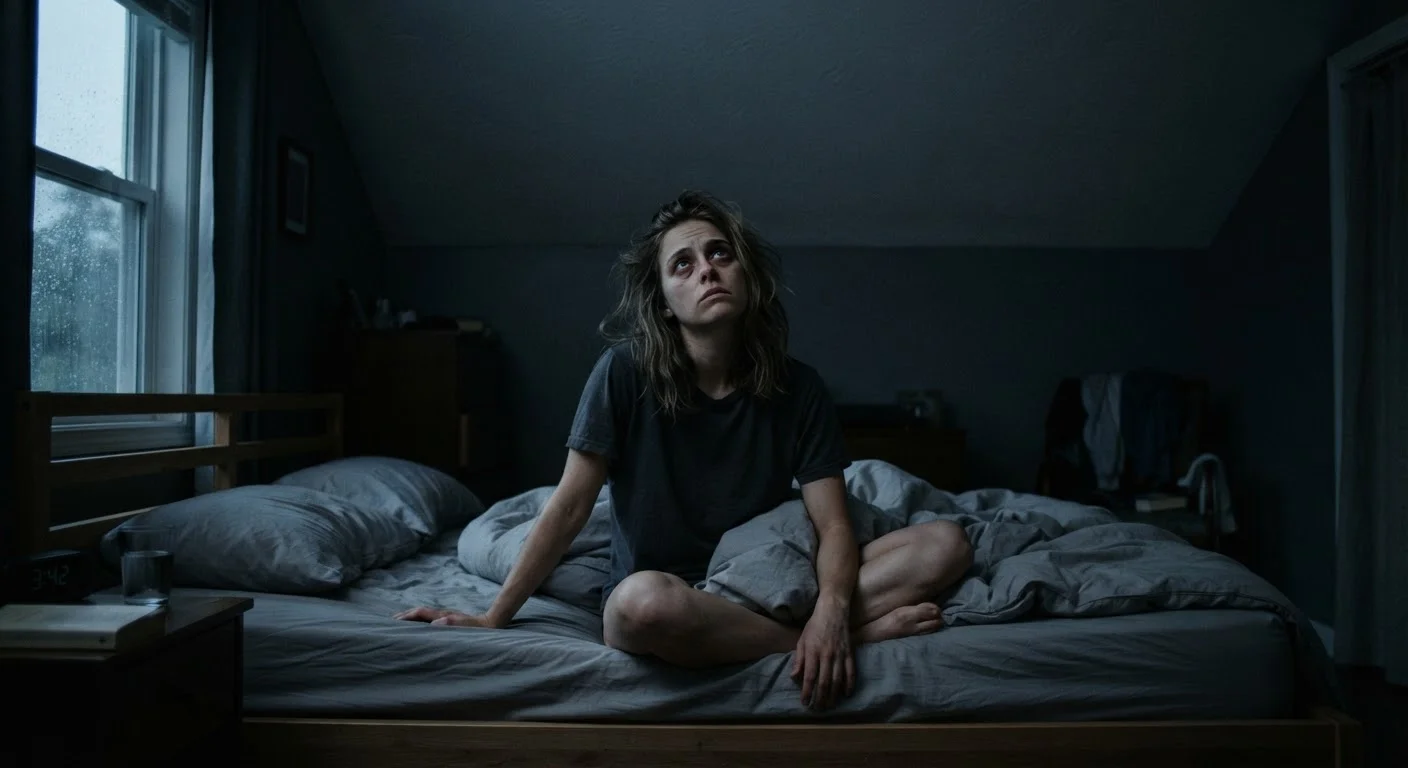
Chronic sleep insufficiency refers to a sustained pattern of getting less sleep than your body needs - typically over several weeks or more. Unlike a bad night here and there, this prolonged shortfall accumulates into measurable changes in mood, thinking, and emotional resilience. It's not simply feeling groggy; it's a state where the brain's ability to regulate itself is genuinely compromised.
Researchers often define chronic sleep restriction as habitually sleeping below individually needed thresholds - commonly studied as fewer than 7 hours per night - sustained long enough for cumulative cognitive and psychological deficits to emerge.
From Tired to Struggling: How Weeks Change the Picture
Everyone has rough nights. But when poor sleep stretches into weeks - whether from stress, irregular schedules, or underlying health factors - something qualitatively different begins to happen in the brain. Short-term fatigue is mostly about energy. Prolonged sleep insufficiency begins to alter how the brain processes experience itself.
The prefrontal cortex, the region responsible for rational thinking, impulse control, and emotional regulation, is particularly sensitive to sleep loss. As sleep debt accumulates, this area becomes less effective at moderating the brain's emotional alarm center - the amygdala. The result is a nervous system that is, in a measurable sense, harder to calm down. Minor frustrations feel bigger. Anxiety sits closer to the surface. Recovery from emotional upsets takes longer.
For a fuller look at the underlying neuroscience, see how sleep deprivation reshapes emotion processing.
Track Sleep and Mood Together
Keeping a simple daily log - noting roughly how long you slept and how you felt emotionally the next day - can help reveal patterns that are easy to miss in the moment. Even a week of notes often shows clear connections between sleep quality and mood, motivation, and irritability. This awareness is a practical first step before making changes.
The Mental Health Consequences That Build Over Time
Research consistently shows that sustained sleep insufficiency is associated with elevated rates of anxiety, depression, and general psychological distress. These aren't simply mood fluctuations - they represent changes in how the brain manages stress hormones, particularly cortisol, which tends to remain elevated when sleep is chronically disrupted.
~35%
US adults sleeping less than 7 hours regularly
According to the Centers for Disease Control and Prevention, roughly one in three American adults report regularly getting less sleep than recommended for their age group.
2-3x
Increased risk of depression with chronic insomnia
A broad body of research, including meta-analyses of longitudinal studies, finds that people with chronic insomnia have roughly two to three times the risk of developing depression compared to those without sleep difficulties.
7-9 hrs
Recommended nightly sleep for most adults
The American Academy of Sleep Medicine and Sleep Research Society recommend seven to nine hours of sleep per night for adults to support physical and mental health.
Memory is another casualty. Deep sleep stages play a critical role in consolidating what we've learned and experienced during the day. When those stages are regularly cut short, the brain's ability to process and store information weakens - contributing to the frustrating sense that things aren't sticking, decisions feel harder, and mental clarity is elusive.
Perhaps most insidiously, chronic sleep loss can lower emotional resilience in ways people don't always attribute to sleep. Someone may notice they feel more hopeless, more socially withdrawn, or more prone to catastrophic thinking - without connecting it to the weeks of fragmented sleep that preceded those shifts.
The Bidirectional Trap: When Mental Health and Sleep Reinforce Each Other
One of the most challenging aspects of this relationship is its bidirectionality. Poor sleep worsens mental health - and mental health struggles, particularly anxiety and depression, tend to worsen sleep. This creates a reinforcing cycle that can be genuinely difficult to interrupt without attention to both sides simultaneously.
Anxiety, for instance, often involves a hyperactive stress-response system that makes it difficult to fall asleep or stay asleep. Depression is associated with disruptions to sleep architecture, including changes in REM sleep that affect emotional processing. Addressing sleep in isolation may not be sufficient if an underlying mental health condition is driving the disruption - and vice versa.
This interconnection is explored in depth in the full picture of how mind and sleep shape each other.
Practical Steps Worth Taking - and When to Seek Help
Improving sleep hygiene - the behavioral and environmental habits that support consistent, restorative sleep - is one of the most evidence-supported levers for mental well-being. Consistent sleep and wake times (even on weekends), a dark and cool sleep environment, reducing caffeine in the afternoon, and stepping away from screens before bed are among the changes that sleep researchers point to most reliably.
Notably, common assumptions about sleep - like the idea that anyone can fully compensate with weekend catch-up - don't always hold up. Several popular sleep beliefs are worth questioning in light of what evidence actually supports.
If you want a structured way to notice how your sleep is affecting your day-to-day mood and energy, a weekly mental health self-check-in can help you spot patterns before they compound.
When sleep problems persist for several weeks, or when low mood, persistent anxiety, or significant cognitive difficulties accompany the fatigue, it's important to consult a qualified healthcare provider. These experiences can be signs of a treatable sleep disorder, a mental health condition, or both - and professional guidance makes a meaningful difference in outcomes.
This article is for general informational and educational purposes only. It is not medical advice. If you are experiencing mental health symptoms or persistent sleep difficulties, please consult a qualified healthcare professional.