

Learning & Education

Before You Start a New Skill: A Pre-Learning Checklist

Share
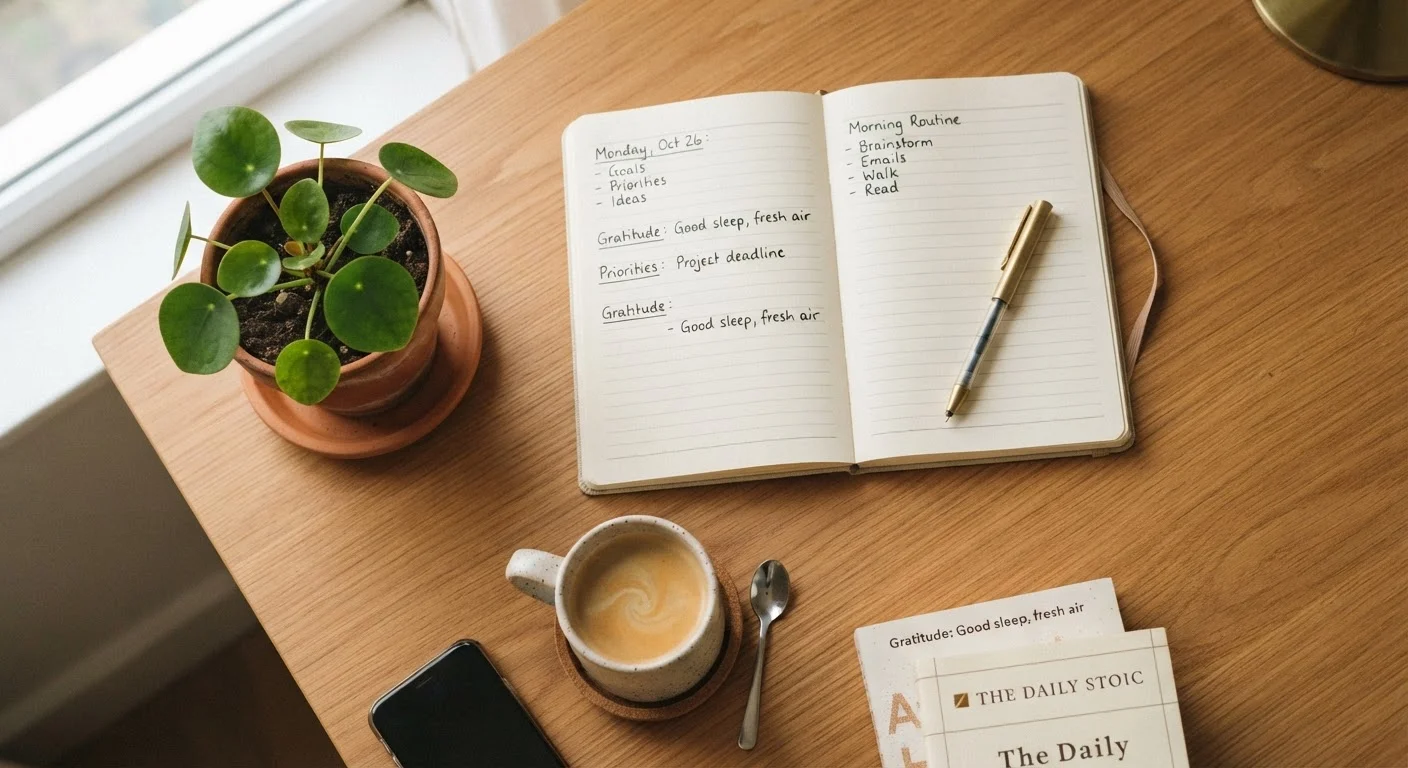
Organized desk with open notebook, pen, coffee, and plant ready for a new learning session.

Key Takeaways

Clarifying your motivation before starting a skill dramatically increases the chance you'll follow through.
Assessing the true time, cost, and resource commitment upfront prevents early dropout.
Choosing the right learning format for your schedule and style matters as much as the content itself.
A distraction-free environment and realistic practice plan are non-negotiable for consistent progress.
Defining a concrete first milestone gives you an early win that builds momentum.
20–40 min

Summary

18 items · 20–40 minutes

Why a Pre-Learning Checklist Saves You Time and Frustration

Most people jump into a new skill the moment motivation peaks — they sign up, buy materials, and dive in. A week later, the enthusiasm fades and the course sits untouched. The culprit is rarely laziness; it's a lack of intentional preparation.

Research in learning science consistently shows that self-regulated learners — those who plan their learning strategy before beginning — achieve better outcomes and persist longer than those who start without structure. A short pre-learning audit helps you move from impulsive starts to deliberate ones.

This checklist walks you through four areas: your motivation and goals, your available resources, your learning environment, and your practice plan. If you're also weighing whether to enroll in a formal program, the Online Learner's Enrollment Checklist covers accreditation, tech needs, and refund policies before you commit financially.

Work through each group honestly. The goal isn't to talk yourself out of starting — it's to set yourself up to actually finish.

Goals & Motivation

Write down in one or two sentences exactly why you want to learn this skill — be specific about the outcome you're seeking. Must
Confirm whether your motivation is intrinsic (genuine interest or personal growth) or purely external (pressure, trend-following), and consider how sustainable that drive will be over weeks or months. Must
Define one concrete, measurable milestone that signals meaningful progress — for example, completing a basic project, holding a conversation, or performing a task independently. Must
Check whether this skill complements or conflicts with other active learning goals you're pursuing right now. Should

Resources & Constraints

Estimate realistically how many hours per week you can dedicate to deliberate practice — account for existing commitments, not just free time on paper. Must
Calculate the full upfront and ongoing costs (courses, materials, tools, memberships) and confirm they fit within your current budget. Must
Identify at least two credible learning resources — a structured course, a reputable book, or a community of practitioners — before you begin. Must
Determine whether you need a mentor, instructor, or accountability partner to make consistent progress, and identify how you would find one. Should
Look up prerequisite knowledge or skills this new skill assumes, and honestly assess whether you have that foundation. Should

Learning Environment

Choose a specific physical or digital space where you will practice — one that is consistently available and free from major distractions. Must
Confirm you have the necessary equipment, software, or access (internet, devices, apps) ready before your first session. Must
Identify the top two distractions that derail your focus and decide in advance how you will manage them during practice sessions. Should
Let household members or close contacts know your scheduled learning times so they can minimize interruptions. Nice to have

Practice Plan & Accountability

Block recurring practice sessions in your calendar for the first four weeks — treat them as fixed appointments, not optional intentions. Must
Write down what "good enough for today" looks like at the end of each session so you have a clear stopping point and a sense of completion. Must
Decide how you will track progress — a learning journal, a habit tracker, or a portfolio of completed work — and set it up before your first session. Should
Set a four-week review date to evaluate whether you're progressing, need to adjust your approach, or should redirect your effort elsewhere. Should
Identify one person you will share your learning goal with, who can offer honest feedback or encouragement when momentum dips. Nice to have

How to Use This Checklist Effectively

Print or copy this checklist to a notebook before you invest significant time or money. For each item, write a brief answer rather than a simple yes or no — the act of writing surfaces assumptions you might otherwise skip past.

If you find yourself unable to answer several items in the Goals & Motivation or Resources & Constraints groups, that's a signal to pause and research before committing. It doesn't mean the skill is wrong for you — it means you need a clearer picture first.

Don't Let Preparation Become Procrastination

Working through this checklist should take no more than 30–40 minutes. If you find yourself researching indefinitely before committing to a first session, that may be a sign of avoidance rather than genuine preparation. The goal is a clear, confident start — not a perfect plan. Set a deadline for completing this checklist, then begin.

For a broader look at what adult skill-learning actually feels like once you begin, see Starting a New Skill as an Adult — it covers realistic timelines and the mindset shifts that help new learners stick with it. And if unfamiliar learning-science terms come up as you plan, the Skill-Building Concepts Glossary is a practical reference written in plain language.

Finally, note that some skills carry upfront costs for tools, courses, or materials. Before making any significant purchase related to your learning, it's worth running those decisions through the same intentional lens — the same deliberate thinking that applies to smart spending decisions generally.

Required

Learning journal or notebook

Record your checklist answers, session notes, and reflections to make your planning process concrete and trackable.

Required

Digital calendar or planner

Block scheduled practice sessions and set your four-week review date before you begin.

Optional

Habit or progress tracker

Visualize consistency and identify patterns in when and how often you actually practice.

Optional

Distraction-blocking app

Temporarily restrict social media or notifications during focused practice sessions.

Learning & Education Editorial Team is the collective byline for our editorial team and contributor network. Articles published under this byline or an editorial pen name are researched, written, and reviewed according to our editorial standards for clarity, consistency, and independence before publication.

View all articles by Learning & Education Editorial Team →
Disclaimer: The content provided on our blog site traverses numerous categories, offering readers valuable and practical information. Readers can use the editorial team’s research and data to gain more insights into their topics of interest. However, they are requested not to treat the articles as conclusive. The website team cannot be held responsible for differences in data or inaccuracies found across other platforms. Please also note that the site might also miss out on various schemes and offers available that the readers may find more beneficial than the ones we cover.