

Key Takeaways
Sinking Fund
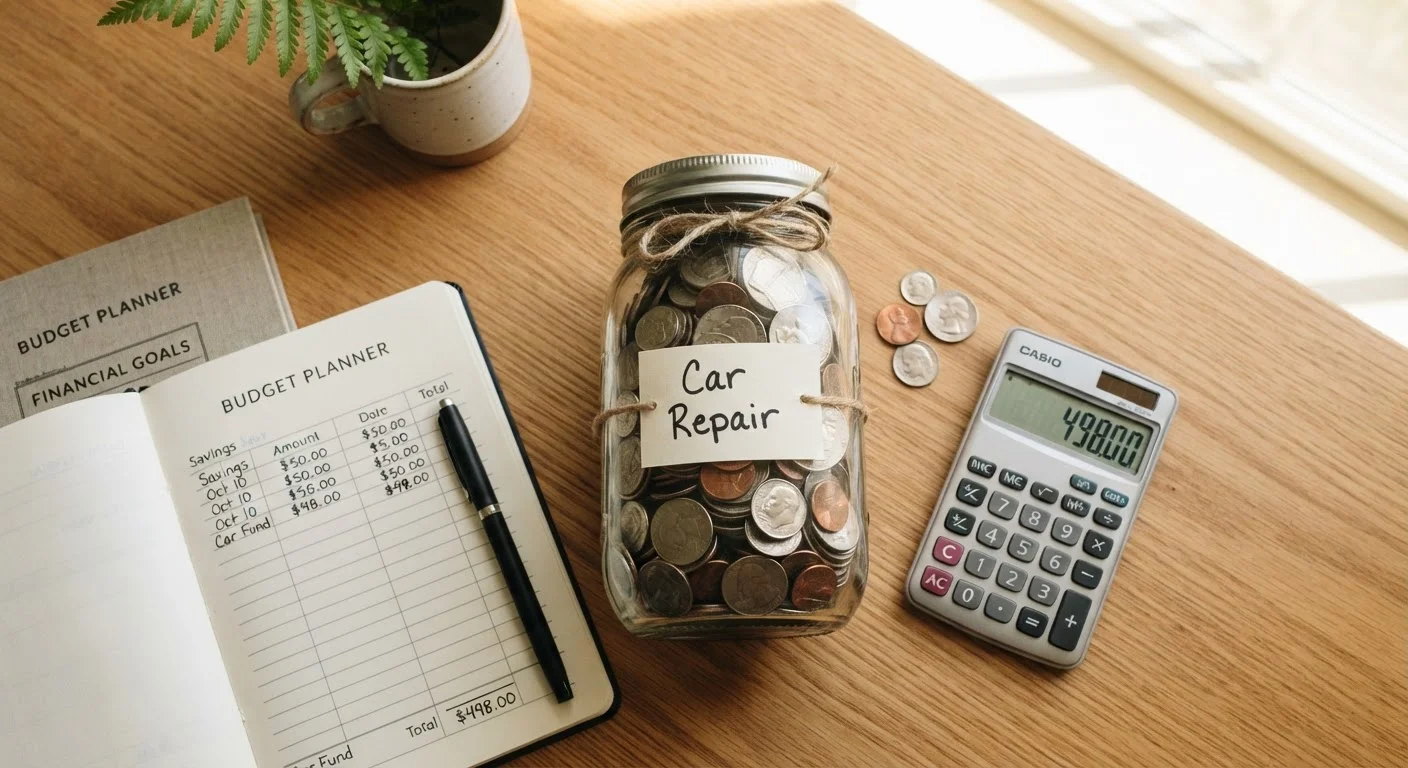
A sinking fund is a dedicated savings pool you build gradually - contribution by contribution - to cover a specific, predictable future expense. Instead of scrambling when a big bill arrives, you've already set money aside for it. Common sinking funds cover things like car repairs, annual insurance premiums, holiday gifts, or home maintenance.
Unlike an emergency fund, which covers unknown shocks, a sinking fund targets known or semi-predictable costs. In corporate finance the term refers to debt repayment reserves, but in personal budgeting it simply means purposeful, earmarked savings.
Why Predictable Expenses Still Wreck Budgets
Most budget blowouts aren't genuine surprises. The car was due for a brake job. The homeowner's insurance premium renews every October. The holidays arrive on the same day every year. Yet millions of Americans reach for a credit card the moment these costs show up - not because the expenses were unforeseeable, but because no money was set aside in advance.
This pattern is what makes sinking funds so powerful. They convert irregular, budget-busting bills into small, predictable monthly line items you can plan around. Done consistently, they break the cycle where a single large expense restarts a debt spiral. For anyone simultaneously trying to build an emergency fund and pay down debt, sinking funds act as a critical third layer of financial defense.
36%
Americans who can't cover a $400 emergency
According to the Federal Reserve's Report on the Economic Well-Being of U.S. Households, a significant share of adults would struggle to pay an unexpected $400 expense without borrowing or selling something.
$1,000+
Average annual car maintenance and repair cost
AAA research has consistently estimated that vehicle ownership - including maintenance, tires, and repairs - runs over $1,000 per year for the average driver, making it one of the most common sinking fund targets.
How a Sinking Fund Actually Works
The math is straightforward. Estimate the total cost of an upcoming expense, determine how many months you have before you need the money, and divide. That monthly number becomes a fixed line in your budget - non-negotiable, just like a utility bill.
For example: you know your car typically needs about $900 in annual maintenance. Divide by 12, and you're saving $75 per month into a dedicated car-maintenance fund. When the repair bill arrives, you pay it in cash. No credit card, no interest charge, no disruption to your debt payoff plan.
You can run several sinking funds at once - one for car costs, one for home repairs, one for holiday gifts, one for travel. The paycheck-splitting framework is a useful companion tool for allocating money to each fund without crowding out other priorities. Keep contributions realistic: a lean $20-per-month fund for a rarely-used category beats an ambitious $100 contribution you can't sustain.
Sinking Funds vs. Emergency Funds: Know the Difference
Both tools exist to keep you out of debt, but they serve entirely different purposes. An emergency fund is a financial firewall against the unknown - job loss, a medical crisis, a major unexpected home repair. A sinking fund is a savings schedule for the known: costs you can anticipate with reasonable accuracy.
Conflating the two is a common mistake. When people pull from their emergency fund to cover a predictable expense - say, a planned vacation - they leave themselves exposed to genuine emergencies. The distinction between emergency funds and savings goals matters precisely because each requires a different funding strategy and a different emotional relationship with the money.
Think of your emergency fund as untouchable unless something truly unexpected happens. Think of your sinking funds as spending-in-progress - money already on its way to a specific purpose.
Setting Up Your First Sinking Fund
Start with a single fund targeting an expense you know is coming within the next 6 to 12 months. Keep these steps in mind:
- Name the expense and estimate its cost as honestly as you can. Err on the side of slightly more than you expect.
- Set a target date and divide the total by the number of months remaining.
- Open or designate an account - a separate savings account adds psychological distance from your spending money, though a well-labeled sub-account or budget category in an app can work equally well.
- Automate the transfer on payday so the contribution happens before you can spend it.
- Review quarterly to adjust for updated cost estimates or timeline shifts.
Once your first fund runs smoothly, add a second. Over time, sinking funds become a background engine humming quietly through your budget, neutralizing predictable costs before they can cause damage. For deeper context on how these concepts fit into an overall financial vocabulary, the glossary of personal finance terms for debt-focused savers is a practical reference.
This article is for general informational and educational purposes only and does not constitute personalized financial advice. Consult a qualified financial professional for guidance tailored to your situation.