

Key Takeaways
Why Senior Pets Need a Different Approach
The transition into the senior life stage isn't a single event - it's a gradual shift that affects nearly every system in your pet's body. Metabolism slows, joints become less resilient, immune function changes, and the likelihood of chronic conditions increases substantially. What worked well for a two-year-old dog or cat may no longer serve a twelve-year-old one.
Importantly, many age-related changes are subtle in their early stages. Pets are instinctively inclined to mask discomfort, which means owners and veterinarians who look closely - and consistently - are better positioned to act when it matters. This is why a structured wellness routine isn't just helpful for senior pets; for many conditions, it's the difference between managing a problem early and discovering it late.
The Pet Care Basics hub provides a solid foundation for general daily care, but the steps below are specifically calibrated to the needs of aging animals. If your pet has already received a chronic condition diagnosis, our guide on caring for a pet with a chronic condition addresses what ongoing management realistically involves.
What you will need
What You'll Need Before You Begin
A wellness routine for a senior pet doesn't require expensive equipment, but a few practical tools make monitoring and daily care significantly easier. Review the items below and discuss any medical-support tools - such as mobility aids or prescription diets - with your veterinarian before purchasing.
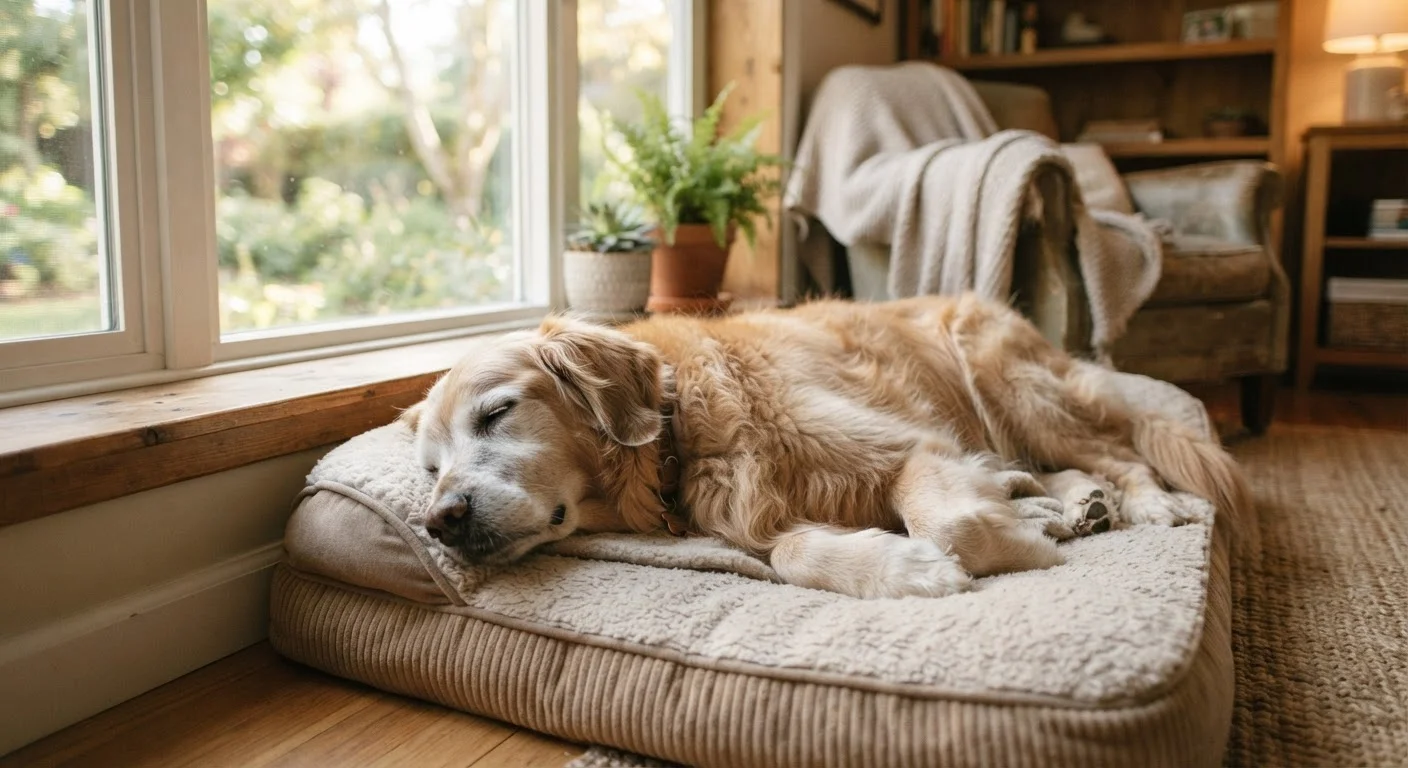
Orthopedic or memory foam pet bed
Provides joint support for aging pets who may experience arthritis or general stiffness.
Raised food and water bowls
Reduces neck and joint strain during eating and drinking, especially for larger senior dogs.
Pet scale or body condition scoring chart
Allows you to track weight changes between vet visits, which is a key senior health indicator.
Non-slip floor mats or rugs
Reduces fall risk on hard floors for pets with reduced muscle mass or joint instability.
Health journal or tracking app
Documents daily observations on appetite, energy, and bathroom habits to share with your vet.
Keep a Simple Health Journal
A brief daily log - noting appetite, water intake, elimination habits, and energy level - takes only a minute but gives your vet invaluable context at checkups. Patterns that seem minor day-to-day can reveal meaningful trends over weeks or months. A notes app on your phone works just as well as a notebook.
Step-by-Step: Building the Routine
Follow these steps in order for the first setup. Once established, the routine becomes a steady framework you adjust over time as your pet's needs evolve. Some steps require a vet visit; others are changes you can start implementing at home today.
Schedule a Senior Wellness Baseline Appointment
Before building any new routine, start with a thorough veterinary exam. For most dogs and cats, 'senior' status begins around age 7, though large-breed dogs may reach it earlier. A baseline appointment typically includes bloodwork, urinalysis, blood pressure measurement, and a dental assessment - all of which establish a reference point for monitoring change over time.
Ask your vet to help you identify your pet's current health priorities. This shapes every other step in the routine.
Switch to Biannual Veterinary Checkups
Annual exams are generally sufficient for younger adult pets, but senior animals benefit from checkups every six months. Age-related conditions - kidney disease, hyperthyroidism in cats, dental disease, diabetes - can progress significantly within a year. More frequent monitoring allows earlier detection and more options for management.
Use the preventive health calendar for dogs as a scheduling reference if you have a senior dog.
Reassess Nutrition and Feeding Habits
Senior pets often have lower caloric needs due to reduced activity but may require higher-quality protein to maintain muscle mass. Some conditions - kidney disease, for instance - require dietary restriction. Work with your vet to evaluate whether a life-stage-appropriate food is warranted and what portion sizes make sense for your pet's weight and health profile.
Monitor water intake carefully. Increased thirst can signal kidney issues, diabetes, or other conditions common in older animals.
Adjust Exercise for Comfort and Capability
Older pets still need regular physical activity, but intensity, duration, and surface all matter more than before. Shorter, more frequent walks on softer terrain are often better than long high-impact outings for arthritic dogs. Cats benefit from low, accessible climbing structures and gentle interactive play that doesn't require sharp jumps or fast pivoting.
Watch for signs of post-exercise discomfort: limping, reluctance to rise the next morning, or excessive panting. These suggest the current activity level needs adjustment.
Create a Consistent Daily Routine
Predictability supports cognitive health and reduces anxiety in senior pets, particularly those showing early signs of cognitive dysfunction syndrome (CDS) - an age-related decline similar in some ways to dementia in humans. Keep feeding times, bathroom breaks, rest periods, and play sessions at consistent times each day.
A stable routine also makes it easier to notice deviations. If a pet who normally greets you at mealtime stops doing so, that change carries more meaning when it breaks a reliable pattern. Our guide to building a daily pet routine offers a practical framework to start from.
Monitor and Log Daily Health Observations
Senior pet wellness depends heavily on owner observation. Each day, note appetite (did they finish their meal?), water intake, urination and defecation frequency and consistency, energy level, and any physical changes such as lumps, limping, or changes in coat quality. You don't need a clinical system - a quick daily note captures the right level of detail.
Bring this log to every vet appointment. It transforms a routine checkup into a more informed conversation and can reveal slow-developing problems that exam-room observations might miss.
Adapt the Home Environment for Safety and Comfort
Physical changes in senior pets - reduced muscle mass, joint stiffness, diminished vision or hearing - may require simple home modifications. Place non-slip mats on hardwood or tile floors, keep litter boxes low-sided and accessible for cats, add a ramp or pet steps to favorite furniture, and ensure water bowls are on every level of a multi-story home.
These adjustments reduce injury risk and help pets maintain independence as their capabilities shift.
When to Contact Your Vet Immediately
Sudden changes in appetite, unexplained weight loss or gain, difficulty breathing, collapse, or significant behavior shifts in a senior pet warrant prompt veterinary attention - not a wait-and-see approach. Senior animals can decline quickly, and early intervention generally leads to better outcomes. This article provides general information only and is not a substitute for professional veterinary guidance.
Recognizing Signs That Warrant Veterinary Attention
A well-structured routine creates a reliable baseline, which makes departures from normal easier to recognize. Beyond the acute warning signs covered above, there are subtler changes worth discussing with your vet at the next scheduled visit:
- Gradual weight change - even small shifts over weeks can indicate metabolic or digestive changes
- Increased vocalization at night - a possible sign of cognitive decline, pain, or vision loss
- Reduced grooming in cats - often signals pain, dental issues, or general malaise
- Slipping or stumbling - may reflect joint disease, neurological changes, or inner ear issues
- Changes in elimination habits - frequency, volume, or accidents in a previously reliable pet
None of these signs automatically indicate serious disease, but all of them deserve a professional assessment rather than a wait-and-see approach. The earlier a concern is raised with your vet, the more options are typically available.
It's also worth reviewing common pet care myths that vets wish would go away - some widely held beliefs about aging pets can actually delay appropriate care.
This article is for general informational purposes only and does not constitute veterinary advice. Always consult a licensed veterinarian for guidance specific to your pet's health needs.