

Key Takeaways
Vehicle Pulling or Drifting
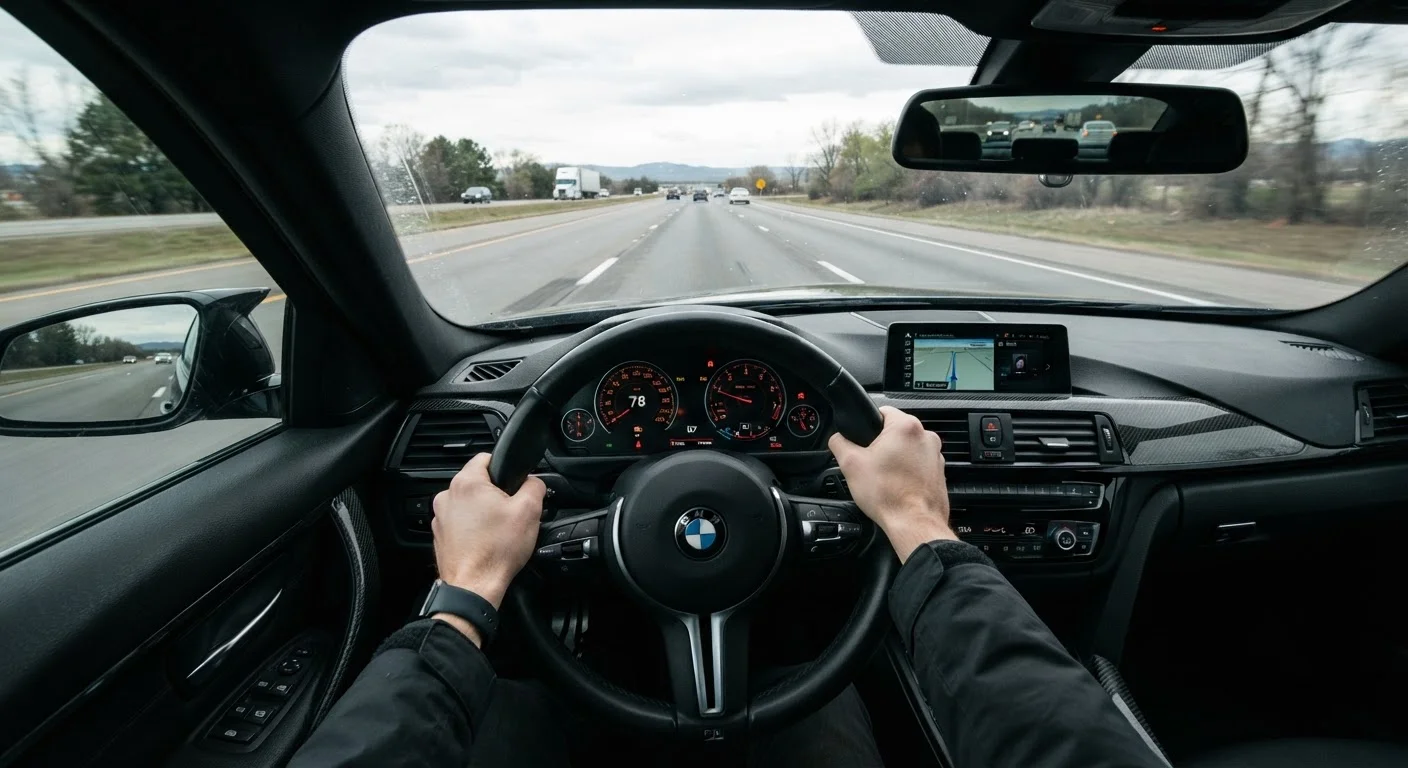
When a car "pulls" to one side, it means the vehicle steers left or right on its own when the driver releases - or barely holds - the steering wheel on a flat, straight road. The driver must apply constant corrective pressure just to go straight. This is a handling issue, not a quirk, and it usually points to an underlying mechanical problem.
Pulling is distinct from "torque steer" (a sensation in front-wheel-drive vehicles under hard acceleration) and from road crown drift, where a cambered road surface causes a mild lean. True pulling persists at steady speeds on level pavement.
Why Pulling Happens - The Short Version
A vehicle traveling straight requires balanced forces acting on all four wheels. When something disrupts that balance - whether it's air pressure, mechanical wear, or brake function - the car compensates by drifting toward the side with greater resistance or reduced control. Your arms feel it before your brain fully registers it.
The good news: most causes of pulling follow a clear diagnostic path. Start with the simplest, cheapest possibilities and work toward the more complex. Routine vehicle maintenance habits make it far less likely you'll face a serious pull in the first place.
The Most Common Causes
1. Uneven Tire Pressure
This is the first thing to check - and the easiest to fix. A tire that's significantly lower on one side creates more rolling resistance, pulling the car in that direction. Before assuming a mechanical problem, inflate all four tires to the manufacturer's recommended pressure (found on the sticker inside the driver's door jamb, not the sidewall of the tire). See our tire pressure and tread basics guide for a full breakdown of what to check and how often.
2. Wheel Alignment Issues
Alignment refers to the angle at which your tires make contact with the road. Hitting a pothole, curb, or debris can knock the front wheels out of spec. When the camber (vertical tilt) or toe (direction the tires point inward/outward) is off, the car pulls consistently in one direction. Alignment is measured in fractions of a degree - small deviations matter.
3. Brake System Problems
A stuck brake caliper, a seized slide pin, or a collapsed brake hose can cause one brake to partially engage even when you're not pressing the pedal. The result: constant drag on that wheel, pulling the car toward it. Pulling that worsens when you apply the brakes is a strong indicator of a brake-side issue and warrants immediate professional inspection - this directly affects stopping distance.
4. Worn Suspension or Steering Components
Tie rod ends, ball joints, control arm bushings, and struts all contribute to keeping your wheels pointed correctly. As these components wear, they allow unwanted movement in the steering geometry. The pull may feel vague or change with speed, and you might notice loose or wandering steering alongside it.
Start With Tire Pressure Before Anything Else
Before scheduling an alignment or brake inspection, take five minutes to check all four tire pressures with a quality gauge. Use the pressure listed on the driver's door jamb sticker - not the maximum pressure printed on the tire sidewall. Correcting a pressure imbalance costs nothing and eliminates the most common cause of pulling immediately.
How to Describe the Symptom to a Mechanic
Effective communication speeds up diagnosis. Note whether the pull is constant or only appears during braking, acceleration, or at certain speeds. Mention which direction it pulls, how strong it is, and whether you've recently hit anything or had tire work done. Our guide on how to describe a car problem clearly can help you frame symptoms in a way mechanics find immediately useful.
A technician will typically start with a visual inspection of tire condition and pressure, followed by a brake check and a test drive. If alignment is suspected, the shop will put the vehicle on an alignment rack to measure the angles precisely.
When Pulling Becomes a Safety Issue
Any pull that's strong enough to require constant steering correction is a safety concern. In emergency maneuvers - a sudden swerve, a panic stop - a compromised steering or brake system can make the vehicle behave unpredictably. The behavioral factors behind accidents research consistently shows that mechanical issues compound human reaction-time limitations.
Don't wait for a warning light - most alignment and brake drag issues won't trigger a dashboard alert. If your car is pulling and you haven't identified a simple pressure fix, schedule a professional inspection promptly. This is especially important if you also notice uneven tire wear, a vibrating steering wheel, or a burning smell near the wheels after driving.
This article is for informational and educational purposes only. It is not a substitute for professional mechanical diagnosis. Always consult a qualified mechanic for vehicle safety concerns.