

Health & Wellness

Before You Start a New Workout Program: A Personal Readiness Checklist

Share
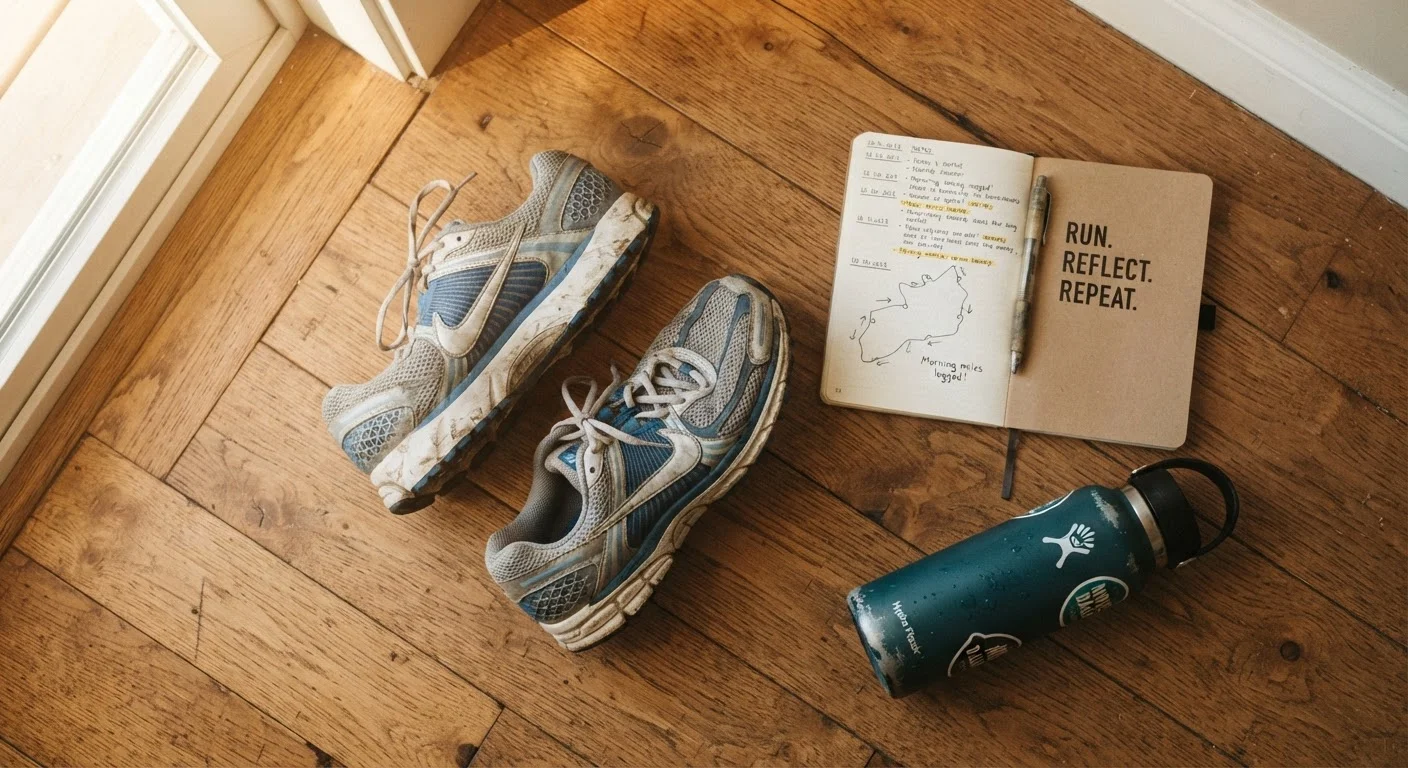
Athletic sneakers, a notebook, and a water bottle arranged on a wooden floor in morning light.

Key Takeaways

Checking your physical readiness before starting reduces injury risk and early dropout.
Having a clear, realistic goal is as important as having the right gear or schedule.
Consulting a healthcare provider first is especially important if you have existing health conditions.
A sustainable program fits your current lifestyle — not an idealized version of it.
Mental and logistical preparation matter just as much as physical fitness.
20–40 min

Summary

18 items · 20–40 minutes

Why a Readiness Check Matters Before Day One

Most people who abandon a new workout program don't quit because they lack willpower — they quit because they started without adequate preparation. They chose a schedule that didn't fit their life, set goals that were too vague or too ambitious, or jumped into intensity their body wasn't ready for.

This checklist is designed to help you pause and honestly assess whether you're set up to succeed — not to discourage you, but to make your effort count. Much like running through a pre-decision checklist before a major purchase, a quick audit before you begin can save you significant time, frustration, and discomfort later.

Work through each section below before your first session. Some items take only a moment to confirm; others may prompt a brief conversation with a healthcare provider. Either way, the time invested here pays dividends in consistency.

This article is for general informational purposes only and is not a substitute for professional medical advice. Always consult a qualified healthcare provider before beginning a new exercise program, particularly if you have any existing health conditions.

Health & Medical Clearance

Consult your primary care provider if you have a chronic condition, recent injury, or have been inactive for more than a year before beginning any new program. Must
Review any medications you take with your provider, as some affect heart rate, blood pressure, or exercise tolerance in ways that should inform your program design. Must
Note any joint pain, recurring soreness, or movement limitations that need to be accounted for when choosing exercise types. Must
If you're pregnant, postpartum, or managing a complex condition, seek specific professional guidance rather than following a general program. Must

Goal Clarity

Write down one primary goal in plain language — for example, "walk 30 minutes most days" rather than "get fit" — so you have a concrete target to work toward. Must
Check that your goal is achievable within your current schedule and physical starting point, not based on an idealized version of your life. Must
Identify what success looks like at the 4-week and 8-week marks so you have intermediate milestones to keep you motivated. Should

Schedule & Lifestyle Fit

Block specific days and times for exercise in your calendar before starting, treating them as firm commitments rather than flexible aspirations. Must
Confirm that your chosen program frequency is genuinely sustainable given your work, family, and recovery needs — three realistic sessions beat six missed ones. Must
Identify your most common scheduling obstacles in advance (travel, irregular shifts, seasonal demands) and plan a fallback option for those weeks. Should

Equipment & Environment

Confirm you have access to the space, facilities, or equipment your chosen program requires — or select a program that matches what you already have. Must
Ensure you have supportive footwear appropriate for your chosen activity to reduce joint stress and the risk of common overuse injuries. Must
Set up a dedicated workout space at home or verify your gym or facility access so there's no logistical friction on day one. Should
Prepare a water bottle and basic hygiene supplies so small practical barriers don't disrupt your early momentum. Nice to have

Mental & Motivational Readiness

Reflect honestly on your current stress levels — beginning an intense program during an unusually demanding life period often backfires; starting small is always valid. Must
Identify at least one source of accountability, whether a friend, a class format, or a simple tracking log, to help bridge the gap until exercise becomes habitual. Should
Set your expectations for early discomfort: mild muscle soreness in the first week or two is normal; sharp pain is not, and should prompt you to stop and seek guidance. Should
Consider journaling your starting point — energy levels, mood, and baseline activity — so you have a reference to appreciate genuine progress over time. Nice to have

What to Do With Your Results

If you checked off most items in the must category, you're in a strong position to begin. Items marked should are worth addressing in your first few weeks rather than treating them as strict gates. Nice-to-have items can be layered in as your routine solidifies.

If several must items remain unchecked — particularly around health clearance, schedule realism, or goal clarity — take an extra week to address them before starting. Beginning on a shaky foundation is the most common reason for early dropout.

If you're returning to exercise after a significant gap, the preparation process looks slightly different. Our guide on starting exercise after a long break walks through how to rebuild gradually without triggering the injuries that derail comebacks.

Similarly, the mindset and environment work involved here mirrors what's useful when preparing to learn any new skill — clarity, realistic pacing, and the right support structures make all the difference.

Stop and Seek Guidance If Pain Occurs

Mild muscle soreness 24–48 hours after a session is a normal adaptation response. However, sharp, shooting, or joint-specific pain during or after exercise is not normal and should not be pushed through. If you experience chest pain, dizziness, or difficulty breathing at any point during exercise, stop immediately and seek emergency care.

Once you're satisfied with your readiness, schedule your first session as a specific calendar commitment rather than a loose intention. Research on behavior change consistently shows that implementation intentions — deciding exactly when and where you'll act — significantly improve follow-through. You've done the groundwork. Now make it official.

Health & Wellness Editorial Team is the collective byline for our editorial team and contributor network. Articles published under this byline or an editorial pen name are researched, written, and reviewed according to our editorial standards for clarity, consistency, and independence before publication.

View all articles by Health & Wellness Editorial Team →
Disclaimer: The content provided on our blog site traverses numerous categories, offering readers valuable and practical information. Readers can use the editorial team’s research and data to gain more insights into their topics of interest. However, they are requested not to treat the articles as conclusive. The website team cannot be held responsible for differences in data or inaccuracies found across other platforms. Please also note that the site might also miss out on various schemes and offers available that the readers may find more beneficial than the ones we cover.