

Key Takeaways
Why Minimum Payments Keep You Stuck
Credit card minimum payments are designed to keep balances alive - and profitable for issuers - as long as possible. On a $5,000 balance at 22% APR, paying only the minimum each month can stretch repayment past a decade and cost thousands in interest alone. The math is not in your favor when you pay the floor.
The single most impactful shift most people can make is directing any available dollar above the minimum toward principal. Even an extra $50 per month compresses repayment timelines significantly. If your budget feels too tight to find that room, a budgeting review often reveals small recurring expenses that can be redirected without major lifestyle changes.
This article provides general financial education and is not personalized financial advice. Consult a qualified financial professional before making decisions about your specific situation.
Choose a Payoff Method and Commit to It
Two well-established frameworks help people decide which card to attack first when carrying multiple balances:
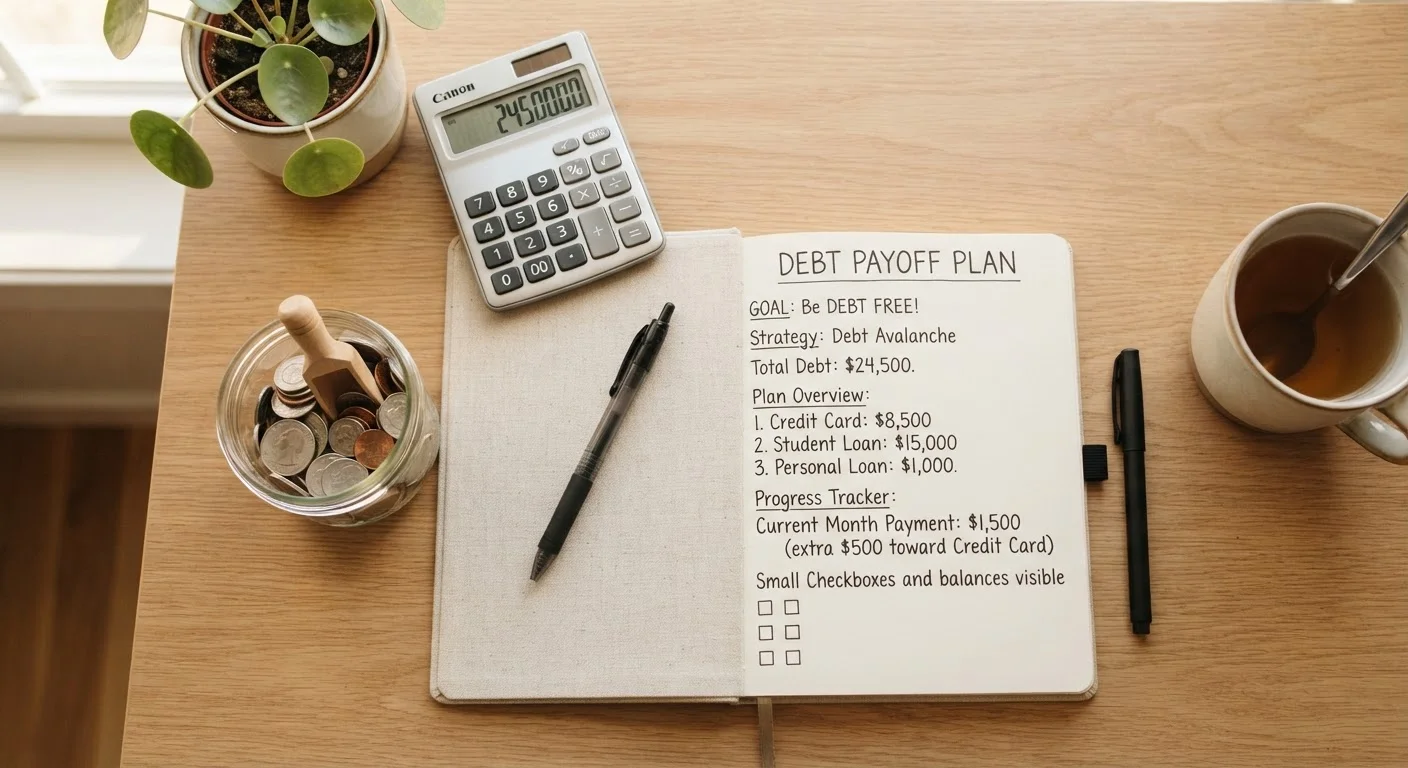
- Avalanche method: Direct extra payments to the card with the highest interest rate first. Once it's paid off, roll that payment to the next highest-rate card. This approach minimizes total interest paid mathematically.
- Snowball method: Pay off the smallest balance first regardless of rate. The quick wins build momentum and motivation that keep many people on track longer.
Neither method is objectively superior for every person - the best one is the method you'll actually stick with. Research in behavioral economics suggests that visible progress matters for sustained effort, which is why the snowball approach works well for people motivated by psychological wins. See concrete trade-offs people make when money is tight for more context on prioritizing payments.
Don't Skip the Emergency Fund
One of the most common debt repayment mistakes is putting every spare dollar toward balances while leaving zero cash cushion. The result is predictable: one car repair or medical bill forces a new charge onto the card you just paid down, erasing weeks of progress.
Financial planners widely suggest building at least a small starter emergency fund - often cited as $500 to $1,000 - before aggressively attacking debt. This floor isn't about saving aggressively; it's about breaking the cycle of emergency-driven borrowing. Once that cushion exists, debt payments can accelerate. Our guide on splitting your paycheck between saving and debt repayment walks through a practical framework for doing both simultaneously.
Interest Negotiation and Consolidation Options
Many cardholders don't realize they can simply call their issuer and request a lower interest rate. Issuers sometimes grant temporary or permanent rate reductions to customers with a solid payment history. This costs nothing and takes about 15 minutes. Document the call, including the representative's name and any changes confirmed.
For those carrying balances across multiple high-rate cards, consolidation can lower the weighted average interest rate and simplify payments. Common tools include balance transfer offers (which typically charge a transfer fee and require good credit) and personal loans. Each comes with trade-offs - fees, credit score impact, and the risk of running balances back up on the original cards. For a thorough comparison, see how debt consolidation and debt management plans differ structurally.
If balances have grown unmanageable, nonprofit credit counseling agencies offer debt management plans that negotiate reduced rates with creditors on your behalf - a different structure from commercial consolidation loans. Whatever path you consider, watch for warning signs your repayment plan is stalling before small missteps compound into bigger setbacks.