

Key Takeaways
Overtourism
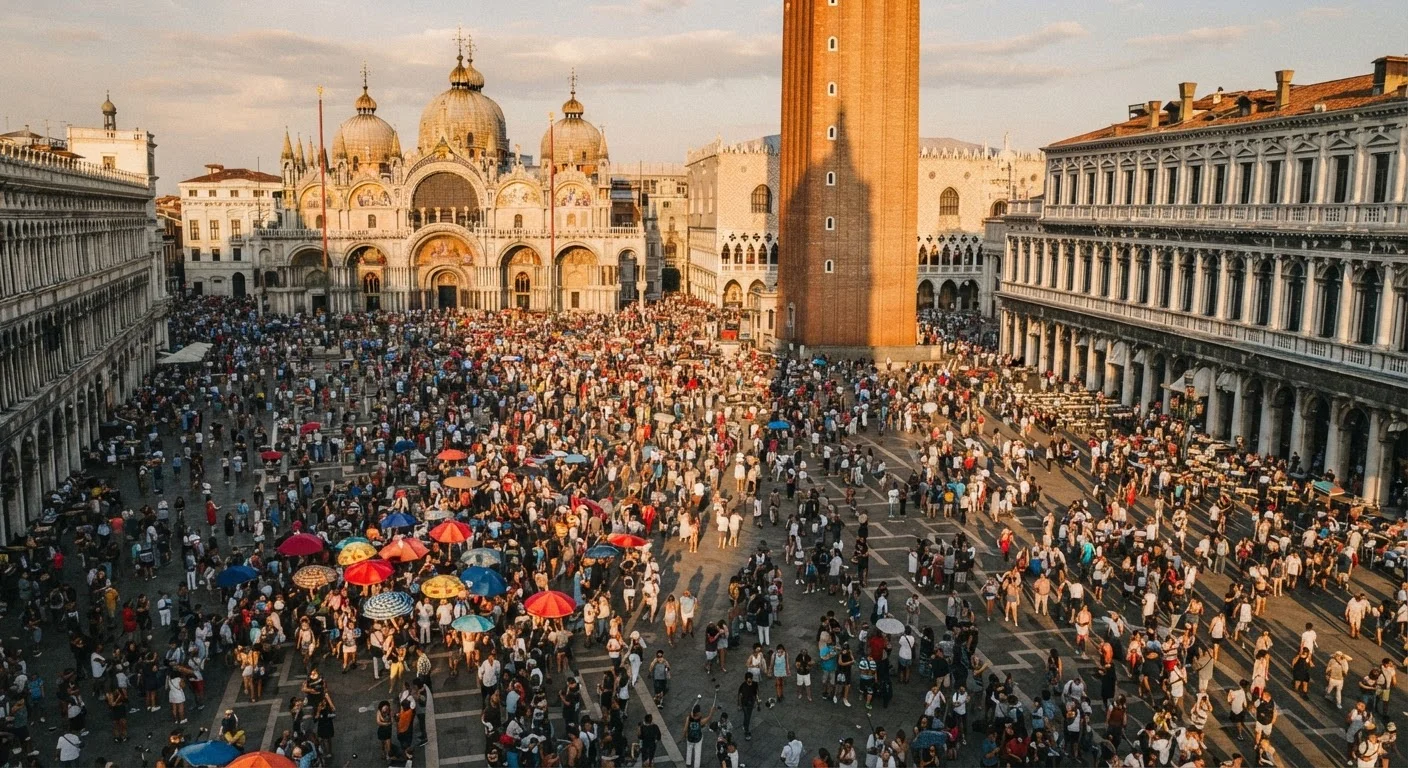
Overtourism occurs when the number of visitors to a destination exceeds what the place - its infrastructure, environment, and local community - can comfortably absorb. The result is a degraded experience for tourists, reduced quality of life for residents, and sometimes lasting damage to natural or cultural sites. It's less about a single record-breaking weekend and more about a sustained imbalance between demand and capacity.
Researchers and destination managers often use the term 'tourism carrying capacity' to describe the threshold beyond which visitor numbers cause measurable harm. This threshold varies widely depending on a site's physical size, ecosystem sensitivity, housing stock, and the resilience of local infrastructure.
The Warning Signs That Tell You a Destination Has Hit Its Limit
Overtourism rarely announces itself with a single dramatic event. It accumulates. Residents of popular cities have hung signs from their balconies asking tourists to go home. Iconic trails have been temporarily closed after erosion made them dangerous. Landlords in historic neighborhoods have converted long-term housing into short-term rentals, pushing locals to the urban periphery.
The clearest indicators cluster into a few categories:
- Infrastructure strain: Public transit, water systems, and waste management that work fine for a city of 300,000 buckle under the weight of 30,000 additional visitors every day.
- Housing displacement: When short-term rental demand outcompetes the local rental market, longtime residents lose affordable housing - a pattern documented in cities across Europe, Asia, and the Americas.
- Environmental degradation: Foot traffic erodes trails, coral reefs suffer from sunscreen runoff and anchor damage, and wildlife behavior shifts in response to constant human presence.
- Experience hollowing: When souvenir shops replace the butchers, bakers, and hardware stores that once served residents, a destination loses the authentic texture that made it appealing in the first place.
Recognizing these signals helps you travel with eyes open - and make smarter choices about where and how you go.
Overtourism Looks Different Everywhere
A small island village and a major metropolitan city can both experience overtourism, but the mechanisms and solutions differ significantly. What overwhelms a fragile coastal ecosystem is a different problem from what strains a city's housing market - even if both fall under the same umbrella term. Keeping that specificity in mind helps you evaluate destinations on their own terms rather than applying a one-size-fits-all judgment.
Why Overtourism Is a System Problem, Not Just a Tourist Problem
It's tempting to frame overtourism as a matter of individual behavior - too many people taking too many selfies. But the structural causes run deeper. Destination marketing organizations have historically competed to maximize visitor numbers without equally investing in managing their impact. Low-cost air travel made previously remote destinations newly accessible faster than local infrastructure could adapt. Social media created feedback loops where a single viral image sends thousands of visitors to the same narrow viewpoint on the same weekend.
Policy responses have been uneven. Some places - Dubrovnik, Amsterdam, Bhutan - have experimented with visitor caps, tourist taxes, and zoning restrictions on short-term rentals. Others have resisted such measures, wary of the economic consequences of reduced footfall. The result is that the burden of managing tourism impact has often fallen disproportionately on residents and on the natural environments least equipped to absorb it.
1 in 5
Global tourism jobs supported by international visitors
The World Travel & Tourism Council has estimated tourism's outsized role in global employment, highlighting why communities depend on visitor spending even as they struggle with its volume.
80%
Tourist activity concentrated at just 20% of destinations
Industry researchers have repeatedly noted that the vast majority of international tourism flows to a small fraction of global destinations, intensifying pressure on those sites while leaving others undervisited.
Shoulder season
When most travelers report a better overall experience
Travel surveys consistently find that visitors who travel outside peak summer months report shorter wait times, lower costs, and more meaningful local interactions at popular destinations.
For travelers, understanding this context matters because it shapes realistic expectations. No individual travel decision single-handedly solves a systemic problem. But individual choices - when, where, and how you spend - do aggregate into real-world outcomes.
What Overtourism Actually Means for Your Trip Experience
Beyond the ethical dimension, overtourism has very practical consequences for the visitor. Queue times at iconic sites can stretch to two or three hours. Hotels in saturated neighborhoods can be surrounded by noise, construction, and crowds that make genuine rest difficult. The 'authentic local restaurant' recommended in a guidebook may now be a tourist trap serving a menu curated entirely for foreign palates.
There's also a subtler cost: the loss of serendipity. When every square meter of a famous district is optimized for visitor throughput, the kind of unplanned discovery that makes travel memorable becomes harder to find.
Thinking about your travel style matters here. If you thrive on flexibility and unexpected encounters, consider how slow travel versus a fast-paced city break plays into your destination choice. Slower, longer stays tend to push travelers naturally toward less-visited neighborhoods and rhythms that better match local life.
Practical Ways to Travel More Thoughtfully Around Overtourism
You don't have to avoid famous places to travel responsibly. A few concrete approaches make a meaningful difference:
- Travel in the shoulder season. Visiting in spring or autumn rather than peak summer reduces your contribution to crowd pressure and often delivers a noticeably better experience - shorter lines, lower prices, more genuine interactions.
- Stay locally. Choosing locally owned guesthouses and family-run hotels over large international chains or whole-apartment short-term rentals keeps more of your spending in the community and reduces housing displacement pressure.
- Distribute your spending. Eating at neighborhood restaurants, hiring local guides, and shopping at markets used by residents channels tourism revenue toward the people most affected by visitor volume - for better or worse.
- Look one step beyond the headline sites. The village twenty minutes outside a famous hilltop town often offers comparable scenery, genuine hospitality, and zero queues. These adjacent discoveries are also less likely to be overwhelmed by your visit.
Good trip planning makes all of this easier. When you map your itinerary with intention rather than just chasing the most-photographed spots, you're more likely to find the moments that actually make a trip memorable. For strategies on keeping that planning process from turning into its own stressor, see our overview of flexible versus fully scheduled itineraries.
This article is for general informational and educational purposes. Travel conditions, visitor policies, and local regulations change frequently - always verify entry requirements, site access, and safety information with official government and destination sources before you travel.