

Cars & Driving

The Seasonal Car Maintenance Checklist Every Driver Should Know

Share
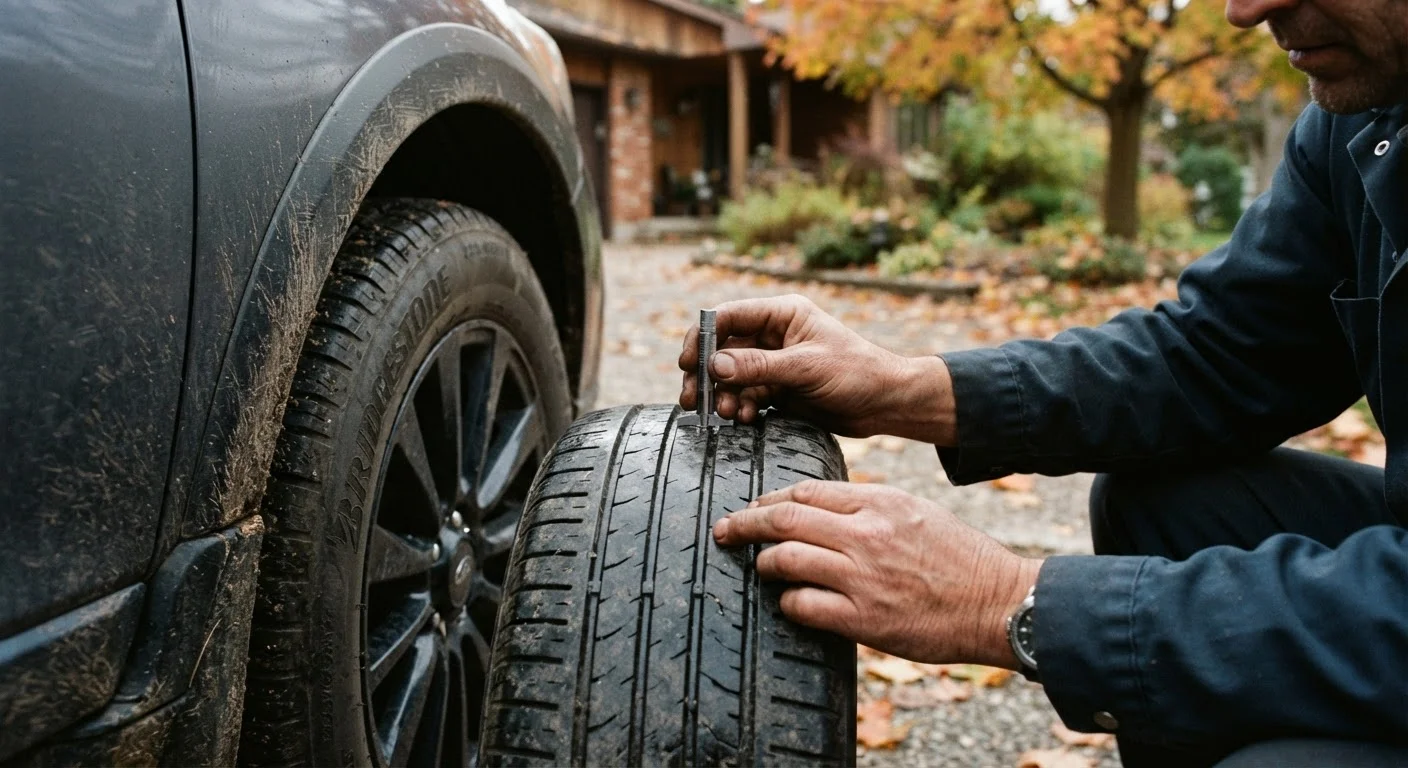
Mechanic's hands inspecting tire tread depth on a car during autumn season

Key Takeaways

Each season brings specific stress points that routine checks can catch early.
Tires, battery, fluids, and brakes are the four systems that change most with temperature.
Most seasonal checks take under an hour and require only basic tools.
Your owner's manual is the authoritative source for your vehicle's actual service intervals.
Catching small issues in spring or fall can prevent expensive mid-season breakdowns.
30–90 min

Summary

24 items · 30–90 minutes per seasonal review

Why Seasonal Checks Beat Waiting for a Warning Light

Most car problems don't announce themselves with dashboard warnings — they build gradually through months of heat, cold, salt, and road stress. A seasonal maintenance approach lets you catch degraded components while they're still manageable, rather than after they've turned into roadside emergencies. It also gives you a predictable rhythm for spending, so repair costs don't blindside your budget.

This checklist is organized by season and covers the inspections, fluid top-offs, and part replacements that matter most as conditions shift. It's designed for everyday drivers — not mechanics — though some items are worth handing to a professional if you're not comfortable with them. Always cross-reference your manufacturer's maintenance schedule, which may differ from general guidance here.

Spring (Post-Winter Recovery)

Inspect all four tires for pressure, tread wear, and sidewall cracking after winter temperature swings have caused repeated inflation changes. Must
Check the battery terminals for corrosion and test battery voltage — cold weather accelerates battery discharge and weakens cells. Must
Examine the undercarriage for rust or damage caused by road salt and de-icing chemicals used during winter. Should
Top off windshield washer fluid and switch to a non-freeze formula appropriate for warmer months. Must
Inspect wiper blades for streaking or tearing, as winter use typically degrades rubber inserts significantly. Should
Check brake pads for wear depth and listen for squealing or grinding, which indicate pads may need replacement. Must

Summer (Heat and Long-Drive Prep)

Check coolant level and condition — low or degraded coolant is the leading cause of summer engine overheating. Must
Inspect all belts and hoses for cracking, fraying, or soft spots that heat tends to accelerate. Should
Test the air conditioning system for adequate cooling — a recharge may be needed if output feels weak. Should
Verify tire pressure weekly during summer, as hot pavement can raise pressure above recommended levels. Must
Check engine oil level and quality; summer heat thins oil faster, especially in older engines or high-mileage vehicles. Must
Inspect cabin air filter and replace if clogged — clean airflow reduces strain on the AC system. Nice to have

Fall (Pre-Winter Preparation)

Have the battery load-tested by a mechanic or auto parts store — a battery that barely survived summer may fail in the cold. Must
Switch to winter or all-season tires if your climate sees regular snow or ice, and verify tread depth meets safe minimums. Must
Check antifreeze concentration using an inexpensive tester to confirm freeze protection is adequate for your region's winter lows. Must
Inspect the heating system and defrost function on both front and rear windows before temperatures drop. Should
Replenish your emergency kit with seasonal items: ice scraper, small shovel, blanket, and traction aids. Should

Winter (Cold-Weather Operation)

Check tire pressure at least monthly — tire pressure drops roughly 1 PSI for every 10°F decrease in temperature. Must
Keep the fuel tank at least half full to reduce moisture buildup in the fuel system and avoid running out during cold starts. Should
Inspect wiper blades and replace with winter-rated blades if your area gets significant snow or ice accumulation. Should
Monitor battery performance — cold-cranking amperage requirements rise sharply below 32°F, stressing weak batteries. Must
Check four-wheel-drive or all-wheel-drive engagement if your vehicle has it, before you need it on a slippery road. Nice to have

Tools and Resources That Help

You don't need a full garage setup to conduct meaningful seasonal inspections. A small kit of basic tools will cover the majority of checks on this list. For anything involving brake lines, suspension components, or fuel systems, have a qualified mechanic take over — those systems carry real safety risk if disturbed incorrectly.

Required

Tire Pressure Gauge

Used to check tire inflation against the recommended PSI listed on the door jamb sticker — critical every season.

Required

Battery Tester or Multimeter

Measures battery voltage and load capacity so you can identify a weakening battery before it leaves you stranded.

Required

Antifreeze/Coolant Tester

Checks the freeze protection level of your coolant, especially important before fall and winter seasons.

Required

Tread Depth Gauge

Measures remaining tire tread to confirm whether tires are still safe for wet or wintry road conditions.

Optional

Flashlight or Inspection Light

Allows you to see clearly under the hood, beneath the vehicle, and into wheel wells during inspections.

Required

Owner's Manual

Provides your vehicle's specific fluid specifications, service intervals, and maintenance requirements by mileage and time.

If you're planning a long drive after completing your seasonal review, our pre-road-trip safety walkthrough provides an additional layer of checks worth running through.

A Note on Common Misconceptions

Some seasonal habits drivers follow — like warming up the engine for several minutes in winter or changing oil on a fixed 3,000-mile schedule regardless of vehicle type — may be outdated for modern vehicles. Our article on maintenance myths that could hurt your car breaks down which long-held beliefs still hold up and which ones you can let go.

Don't Skip Checks Because Nothing Feels Wrong

Many components — including brake pads, coolant, and battery capacity — degrade silently until they fail entirely. A car that drives normally today may have tires near the wear indicator or a battery at borderline voltage. Seasonal checks are specifically designed to find these invisible issues before they create safety problems or costly emergency repairs.

For drivers who log minimal mileage, be aware that time-based deterioration matters just as much as mileage. Fluids degrade, seals dry out, and tires age even when the odometer barely moves. See our guidance on maintaining a low-mileage vehicle for details specific to that situation.

Cars & Driving Editorial Team is the collective byline for our editorial team and contributor network. Articles published under this byline or an editorial pen name are researched, written, and reviewed according to our editorial standards for clarity, consistency, and independence before publication.

View all articles by Cars & Driving Editorial Team →
Disclaimer: The content provided on our blog site traverses numerous categories, offering readers valuable and practical information. Readers can use the editorial team’s research and data to gain more insights into their topics of interest. However, they are requested not to treat the articles as conclusive. The website team cannot be held responsible for differences in data or inaccuracies found across other platforms. Please also note that the site might also miss out on various schemes and offers available that the readers may find more beneficial than the ones we cover.