

Key Takeaways
Why Fluid Levels Matter More Than You Think
Your car is essentially a network of pressurized and lubricated systems, and fluids are what keep those systems from grinding, overheating, or failing entirely. Unlike a worn tire or a cracked belt, low fluid levels are invisible from the outside - which is exactly why they catch drivers off guard.
Many drivers only check fluids when a warning light appears. But by that point, damage may already be underway. Dashboard warning lights are useful, but they're reactive - a fluid check takes minutes and tells you the same story before things escalate.
Staying ahead of fluid maintenance is also one of the most cost-effective habits in car ownership. A quart of engine oil is a fraction of the cost of engine repair. Understanding what each fluid does - and what happens when it runs low - puts that math in sharp relief.
The Six Fluids Every Driver Should Know
Every passenger vehicle relies on a core set of fluids. Here's what each one does and why it matters:
$4,000+
Average cost of engine damage from oil neglect
Industry repair data consistently places seized or scored engine repairs in the thousands of dollars, often exceeding the value of older vehicles.
5 min
Time needed for a basic under-hood fluid check
A visual inspection of all major fluid reservoirs takes most drivers under five minutes once they know what to look for.
2-3 years
Typical brake fluid change interval
Many manufacturers recommend replacing brake fluid every two to three years regardless of mileage, as moisture absorption degrades its performance over time.
Engine Oil
Oil lubricates moving metal parts inside the engine, reducing friction and carrying heat away. Low oil causes accelerated wear; running an engine without enough oil can cause catastrophic damage within minutes. Check it monthly using the dipstick - the oil should be amber to dark brown and fall between the MIN and MAX marks.
Coolant (Antifreeze)
Coolant circulates between the engine and radiator to regulate operating temperature. It also prevents the system from freezing in winter and boiling over in summer. The reservoir is typically translucent plastic; the fluid level should sit between the LOW and FULL lines when the engine is cold.
Brake Fluid
Brake fluid transfers the force from your pedal to your brake calipers via hydraulic pressure. It absorbs moisture over time, which lowers its boiling point and degrades performance. If the level is low or the fluid appears very dark, have a qualified mechanic inspect the system - this is a direct safety concern.
Transmission Fluid
This fluid lubricates and cools the transmission's gears and components. Some vehicles have a dipstick for this; others are sealed and require a professional to check. Burnt-smelling or discolored transmission fluid is a red flag worth addressing promptly.
Power Steering Fluid
If your car has hydraulic power steering (rather than electric), this fluid enables the assist that makes steering feel light. A whining noise when turning the wheel often points to low fluid. Note: many newer vehicles use electric power steering and don't have this reservoir at all.
Windshield Washer Fluid
The least critical mechanically, but important for visibility. Use a premixed washer fluid rated for your climate - plain water can freeze in the reservoir and crack it in cold temperatures.
How to Check Fluid Levels Safely
Before opening the hood, park on level ground and let the engine cool for at least 15 minutes after driving. Checking fluids on a hot engine - especially removing the coolant cap - can result in burns from pressurized steam. That's non-negotiable.
Always check engine oil when the engine has been off for at least five minutes - this lets oil drain back into the pan and gives you an accurate reading rather than a falsely low one.
Checking immediately after shutting off a running engine can show the oil level as lower than it actually is, since residual oil is still coating internal components.
Keep a small flashlight in your glove box for under-hood checks - good lighting makes it much easier to spot discoloration, deposits, or low fluid levels accurately.
Fluid condition - especially brake fluid and coolant - is easier to assess in good light, and engine bays are often shadowed even in daylight.
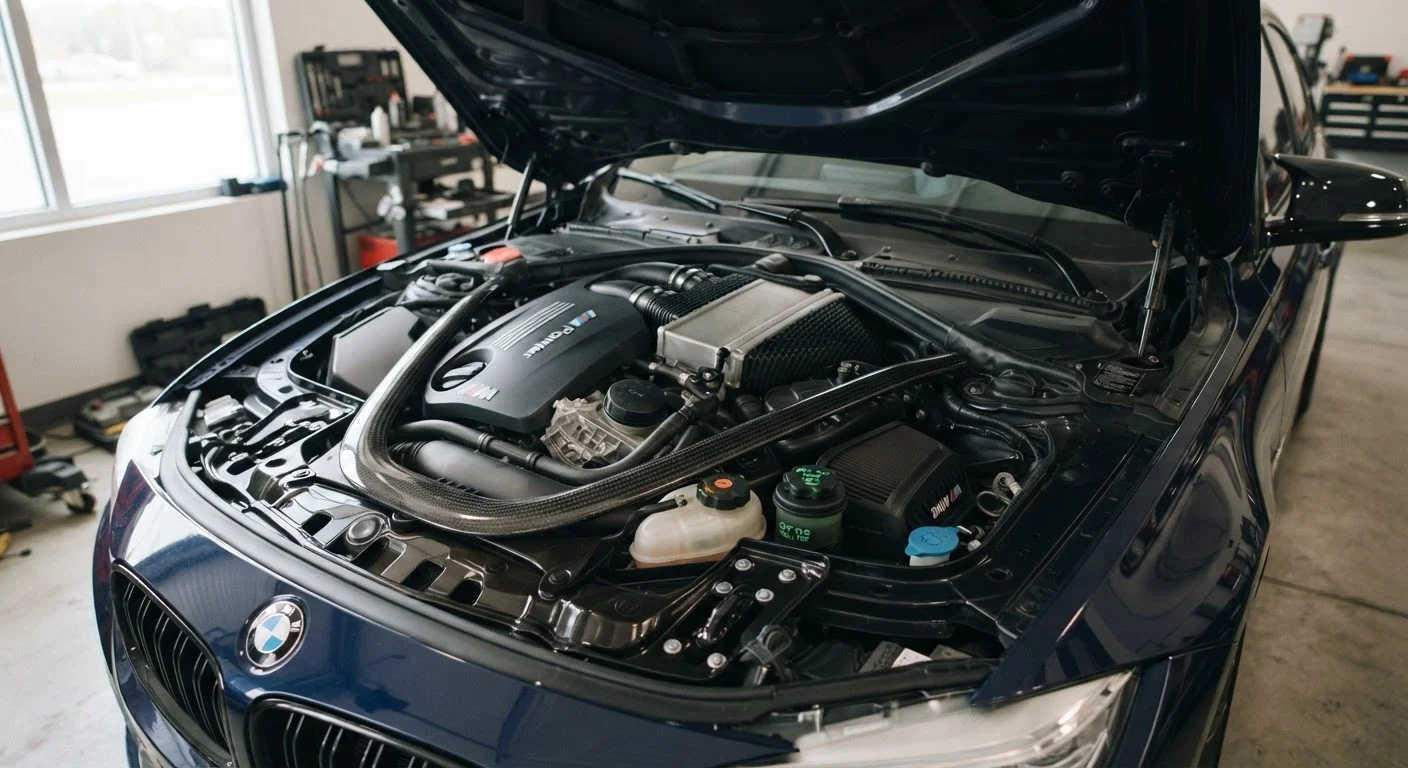
- Pop the hood and locate the reservoir for each fluid. Your owner's manual includes a labeled diagram if you're unsure.
- Check engine oil by pulling out the dipstick, wiping it clean, reinserting it fully, then pulling it again. The oil film should reach the MAX mark and appear clean enough to see the dipstick through it.
- Inspect the coolant reservoir visually - no need to open anything. The level is readable through the plastic.
- Examine brake fluid in its reservoir. The fluid should be light yellow or pale gold and sit at or near the MAX line. A notably low level warrants a mechanic's attention, not a simple top-up, as it may indicate a leak or worn brake pads.
- Check transmission and power steering fluids per your owner's manual, since access varies by vehicle.
For guidance on how often each of these should be serviced, consult your owner's manual maintenance schedule - it's the most accurate source for your specific model.
Warning Signs You Shouldn't Ignore
Fluids don't just run low - they also degrade, leak, and get contaminated. Here are symptoms that suggest a fluid problem beyond a simple top-up:
- Puddles under the car: A clear or light-colored puddle on a hot day is often just condensation from the air conditioner. Oily, green, pink, or red puddles suggest an actual leak.
- Spongy or soft brake pedal: This can indicate air in the brake lines or very low brake fluid. Stop driving and have the vehicle inspected.
- Engine temperature gauge climbing: Could signal low coolant, a failing thermostat, or a leak. Pull over safely and let the engine cool before investigating.
- Burnt smell from under the hood: Often points to an oil or transmission fluid leak contacting hot engine components.
- Difficulty shifting gears: In automatic vehicles, this can indicate low or degraded transmission fluid.
These symptoms often appear before a dashboard light does. Understanding the meaning behind dashboard warnings helps you respond appropriately when a light does illuminate.
Building a Simple Fluid Check Routine
The most effective approach is to build brief checks into moments you're already at the car. Many mechanics suggest a monthly under-hood scan as a baseline - it takes about five minutes and requires nothing more than a clean rag and your eyes.
A practical schedule for most drivers:
- Monthly: Engine oil level and condition
- Every 3 months or before long trips: Coolant, brake fluid, washer fluid, power steering fluid
- At every oil change: Ask your mechanic to note transmission fluid condition
If you drive infrequently, don't assume low mileage means low maintenance needs. Cars that sit for extended periods can still develop fluid degradation and seal leaks over time.
For a broader look at how fluid maintenance fits into the overall cost of owning a vehicle, the Vehicle Ownership Costs reference guide breaks down typical expense ranges in plain language.
Checking your fluids won't make you a mechanic - but it will make you an informed owner who catches small problems before they become expensive ones. That's a skill worth developing.