

Key Takeaways
Defensive Driving
Defensive driving is a set of skills and habits that allow a driver to anticipate and respond to hazards before they turn into emergencies. It goes beyond following traffic laws - it means actively scanning your environment, maintaining safe distances, and adjusting your behavior based on the actions of other drivers. The core idea is that you cannot control what other drivers do, but you can control how prepared you are.
Defensive driving is formally defined by the National Safety Council (NSC) as driving to 'save lives, time, and money, in spite of the conditions around you and the actions of others.' It is distinct from aggressive or reactive driving styles.
More Than Just Staying Alert
Most drivers think of themselves as safe - and most genuinely try to be. But staying alert is only the baseline. Defensive driving is a structured approach to road safety that treats every drive as a dynamic risk environment, not a routine commute.
The distinction matters. A driver who is merely alert responds to hazards as they appear. A defensive driver anticipates them before they fully develop. That difference - measured in fractions of seconds - is often the gap between a near-miss and a collision.
As the research into experienced driver crashes suggests, habit and familiarity can actually dull the vigilance that keeps drivers safe. Defensive driving is the antidote - a deliberate, repeatable set of behaviors rather than a vague intention to be careful.
94%
Of serious crashes involving human choice or error
According to NHTSA research, approximately 94% of serious crashes involve driver behavior as a contributing factor rather than vehicle or road failure alone.
~88 ft
Distance traveled eyes-off-road at 60 mph in 1 second
At 60 mph, a vehicle covers roughly 88 feet per second - illustrating why even brief distractions dramatically compress available reaction time.
3-5 sec
Recommended following distance in normal and adverse conditions
Traffic safety authorities broadly recommend a minimum 3-second gap in clear conditions and 5 or more seconds in rain, ice, or fog.
The Core Principles Explained
1. Scan Ahead, Not Just Ahead
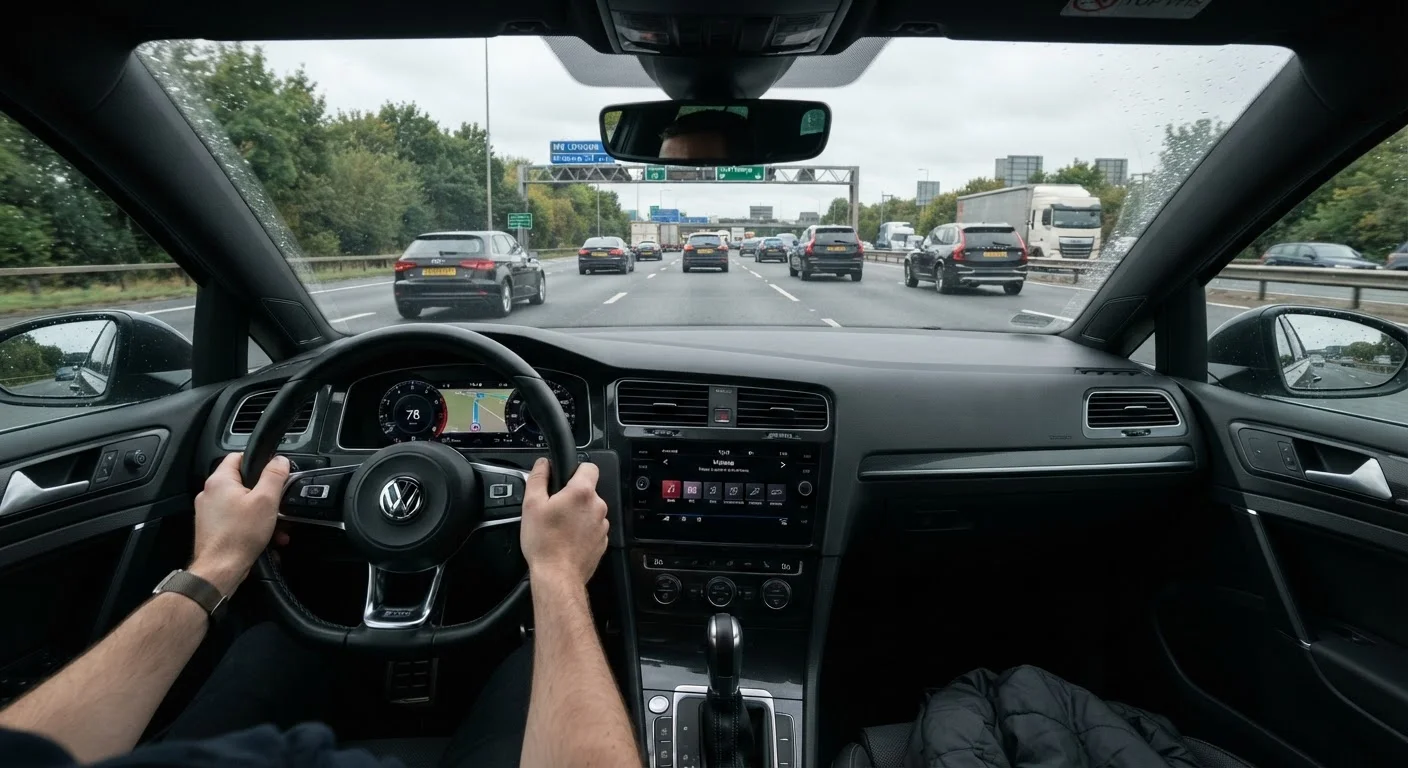
Effective defensive drivers don't just watch the car directly in front of them - they scan 12 to 15 seconds down the road. That longer visual horizon reveals brake lights, merging vehicles, and road obstacles with enough lead time to react calmly instead of urgently.
2. Maintain a Safety Cushion
Following distance is one of the most underestimated safety tools available. The standard recommendation is a minimum three-second gap in normal conditions, expanding significantly in rain, fog, or heavy traffic. Your vehicle's stopping distance increases dramatically at highway speeds, and no amount of reaction skill compensates for insufficient space.
3. Assume Others Will Make Mistakes
This isn't pessimism - it's pragmatism. Defensive drivers position themselves to survive errors made by other road users. That means staying out of blind spots, giving wide berth to large vehicles, and never assuming a driver who should yield actually will.
4. Manage Your Own Distractions
Even a brief glance at a phone at 60 mph means traveling roughly 88 feet with your eyes off the road. Distraction is both the most common and most preventable cause of driver error. Defensive driving requires that you actively protect your own attention, not just respond to others' inattention.
How Environment Changes the Equation
Defensive technique isn't one-size-fits-all. The hazard profile on a city street - pedestrians, cyclists, frequent stops, complex intersections - is fundamentally different from a highway, where speed differentials and merging traffic dominate the risk landscape.
For a deeper look at how each setting demands specific skills, see how highway and city driving differ in their safety demands. The underlying defensive principles remain the same, but their application shifts depending on your environment.
Weather and road condition add another layer. Wet or icy roads lengthen stopping distances considerably. Reduced visibility compresses the time you have to identify hazards. In these conditions, speed and following-distance adjustments aren't optional - they're fundamental defensive responses.
Vehicle condition also plays a role. Tires in poor shape can undermine even the most skilled defensive driver. Understanding basics like tread depth and pressure is part of the broader defensive mindset - see what drivers often skip on tire maintenance for a grounded overview.
Building Defensive Habits That Stick
Defensive driving isn't a one-time achievement - it's a practice. The techniques described above are only effective if they become habitual rather than deliberate. That takes repetition, self-awareness, and the occasional reset.
Formal defensive driving courses offer structured instruction and, in many states, can satisfy traffic-school requirements or qualify for insurance discounts (verify directly with your insurer). But habits also develop through intentional solo practice: consciously checking mirrors every five to eight seconds, verbalizing your scanning routine, and resisting the pull of the phone before the engine starts.
For new drivers building their foundation, incorporating defensive principles from day one is far easier than unlearning reactive habits later. But returning drivers - or anyone who has slipped into autopilot mode - can benefit equally from deliberately reintroducing these principles into their driving.
This article is for general informational and educational purposes only. Always consult applicable traffic laws and local regulations for guidance specific to your area.