

Key Takeaways
Pet Wellness Exam
A pet wellness exam - sometimes called an annual checkup or preventive care visit - is a scheduled appointment in which a veterinarian systematically evaluates your pet's overall health, even when no illness is apparent. The goal is to catch developing problems early, update preventive treatments, and give owners a clear picture of where their pet stands. Think of it as a baseline assessment rather than a sick visit.
Vets sometimes refer to these as 'physical examinations with a wellness panel,' which may include bloodwork, urinalysis, or fecal testing depending on the pet's age and risk factors.
Why a Wellness Exam Is More Than a Weigh-In
Many pet owners think of an annual vet visit as the appointment where their pet gets shots and stands on a scale. In reality, a wellness exam is a structured, systematic review of your pet's entire body - and it's one of the most valuable tools in preventive care.
Veterinarians are trained to notice subtle signs that owners often miss: a heart murmur that's just beginning, early tartar buildup that will become painful tooth disease, or a lymph node that feels slightly enlarged. Because pets can't describe how they feel, a hands-on exam from a professional is often the only way to identify problems in their early, more manageable stages.
For a broader look at how routine and reactive care fit together, see how annual visits compare to as-needed appointments.
The Head-to-Tail Physical: What Vets Actually Check
A standard wellness exam follows a logical sequence through the major body systems. Here's what a veterinarian typically evaluates:
- Eyes and ears: Checked for discharge, redness, cloudiness, ear odor, or signs of infection and inflammation.
- Mouth and teeth: Dental health is assessed for tartar buildup, gum disease, broken teeth, or oral masses. Periodontal disease is one of the most common - and preventable - conditions in dogs and cats.
- Lymph nodes: The vet palpates (feels) nodes along the neck, armpits, and groin. Swollen nodes can indicate infection or, in some cases, more serious conditions.
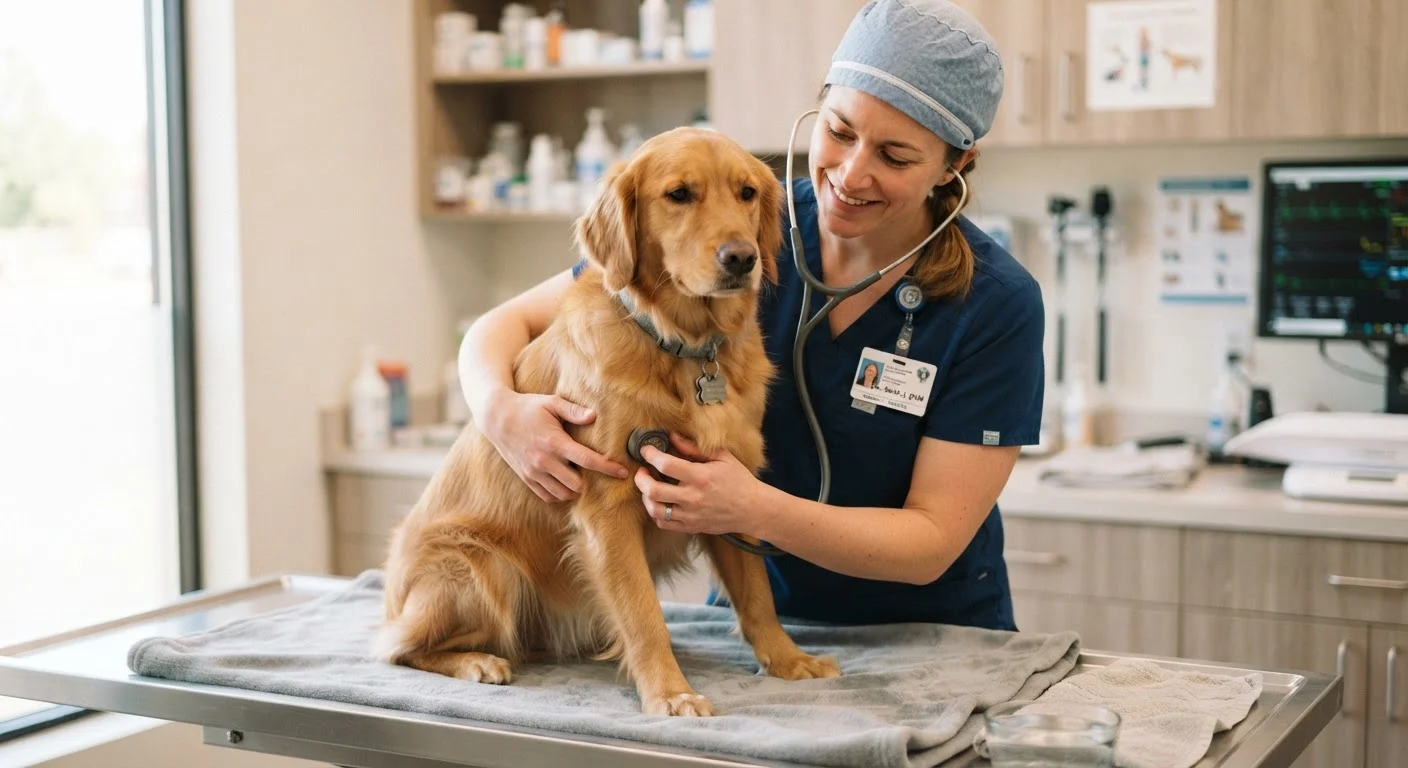
- Heart and lungs: A stethoscope is used to listen for abnormal heart rhythms, murmurs, or respiratory sounds that could suggest early cardiac or pulmonary issues.
- Abdomen: The vet gently presses on the belly to check organ size and feel for any masses, pain responses, or unusual firmness.
- Skin and coat: Checked for parasites, lumps, rashes, hair loss, or signs of allergic reaction.
- Musculoskeletal system: Limbs and joints are assessed for range of motion, swelling, or discomfort - important for catching early arthritis, especially in older pets.
- Weight and body condition: The vet assesses whether your pet is at a healthy weight using a standardized body condition score, not just a number on the scale.
Take Notes Before Your Visit
In the week before a scheduled wellness exam, jot down any changes you've noticed in your pet - eating habits, energy level, coat condition, or anything unusual. Even observations that seem minor can provide useful context for the veterinarian. A few notes on your phone is all it takes.
This systematic approach allows veterinarians to build a health baseline over time. Tracking changes year over year is often just as important as any single finding.
Additional Diagnostics: When the Exam Goes Further
Depending on your pet's age, breed, and health history, the vet may recommend diagnostic tests beyond the physical exam. These commonly include:
- Fecal testing: Checks for intestinal parasites like roundworms, hookworms, and giardia - many of which show no outward symptoms.
- Heartworm testing: Recommended annually for dogs in most regions, often alongside a tick-borne disease panel.
- Bloodwork: A complete blood count (CBC) and chemistry panel assess organ function, blood cell counts, and metabolic health. These become especially important as pets age.
- Urinalysis: Can reveal kidney issues, diabetes, or urinary tract infections before clinical signs appear.
Not every pet needs all of these at every visit. Your vet will recommend specific tests based on your pet's individual profile. For dog owners, a preventive health calendar can help you understand which screenings matter at each life stage.
The Conversation: Your Role in the Appointment
A wellness exam isn't one-directional. The vet will ask about your pet's diet, exercise habits, parasite prevention, and any behavioral or physical changes you've noticed at home. Your observations are genuinely valuable - you see your pet every day, and even small changes can be clinically meaningful.
Come prepared to discuss:
- Changes in appetite, water intake, or bathroom habits
- Any new lumps, limping, or changes in activity level
- Current food, portions, and treats
- Flea, tick, and heartworm prevention products in use
- Any supplements or medications your pet is taking
It's also a good time to ask about dental cleanings, spay or neuter timing for young pets, or behavior concerns. If your pet is getting older, the vet may begin discussing more frequent visit schedules. Senior pets often need checkups every six months rather than annually, as age-related changes can progress quickly.
For context on common habits that vets tend to flag, see habits well-meaning owners have that can affect pet health.
This article is for general informational purposes only and does not constitute veterinary medical advice. Always consult a licensed veterinarian for guidance specific to your pet's health needs.