

Key Takeaways
Why Good Intentions Can Still Lead to Vet Concerns
Most pet owners aren't making careless choices - they're making understandable ones. A supplement that sounds beneficial, a winter break from flea prevention that seems logical, a gradual change in appetite that appears age-related: these are the kinds of decisions that veterinarians see regularly and that, over time, can affect a pet's health in meaningful ways.
This article isn't about blame. It's about bridging the gap between what feels right and what veterinary evidence generally supports. If any of the habits below sound familiar, that's useful information - and a good reason to bring it up at your pet's next wellness exam.
This article is for general informational purposes only and is not a substitute for professional veterinary advice. Always consult a licensed veterinarian regarding your pet's specific health needs.
Common Habits Veterinarians Frequently Flag
The mistakes below span nutrition, preventive care, and daily observation. Each one is common precisely because it makes intuitive sense - until you understand the fuller picture.
Stopping parasite prevention during colder months, assuming fleas, ticks, and heartworm are only warm-weather threats.
Why it happens: Many owners associate parasites with summer and assume cold temperatures eliminate the risk. In reality, fleas survive indoors year-round, and ticks remain active in temperatures above freezing in many US regions.
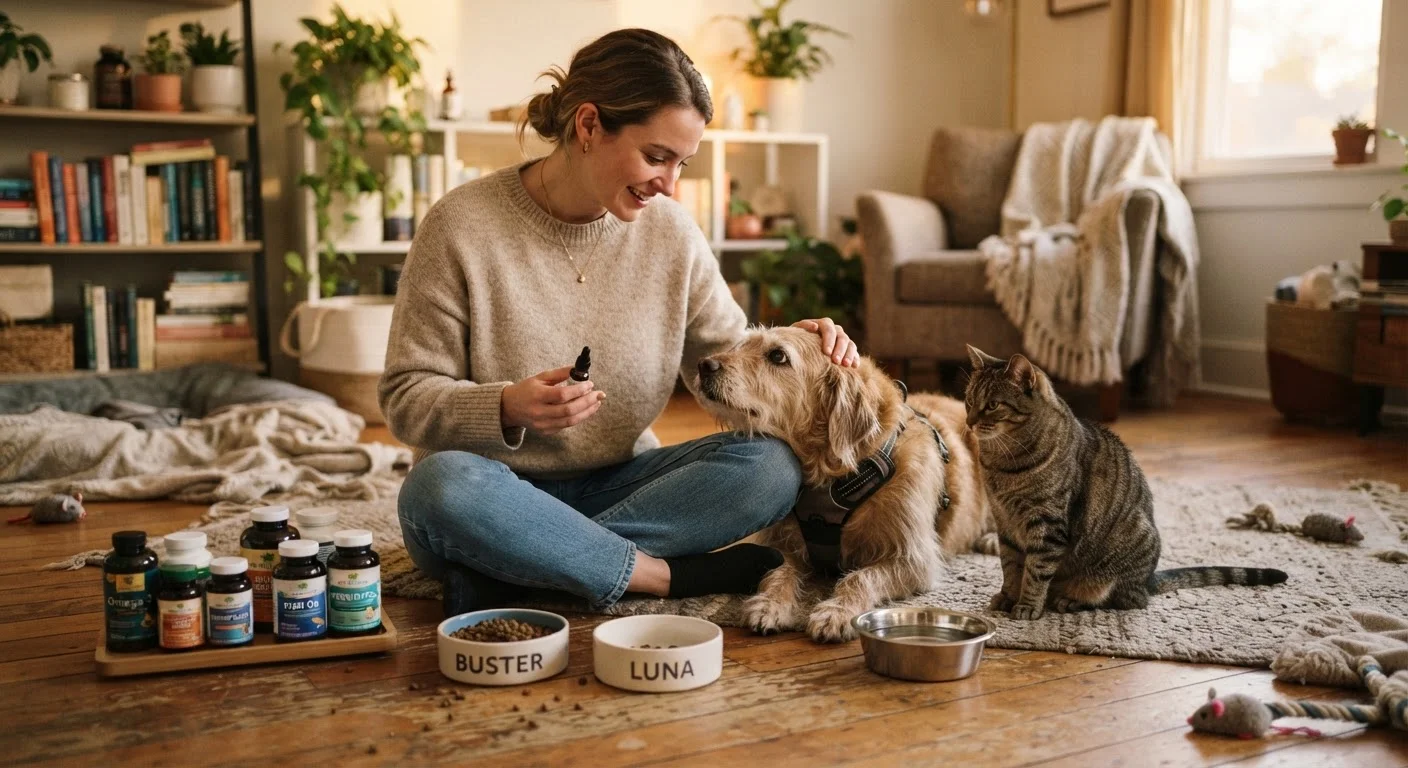
Adding supplements - fish oil, joint support, vitamins - without consulting a veterinarian first.
Why it happens: Supplements feel like a natural, harmless way to support health, and marketing often positions them as universally beneficial. Owners may assume that more nutrients mean a healthier pet.
Free-feeding - leaving food out all day - rather than measuring and scheduling meals.
Why it happens: Free-feeding feels convenient and prevents the pet from seeming hungry. Many owners also underestimate how quickly unrestricted access leads to overeating, especially in less active pets.
Dismissing gradual changes in appetite, energy, or behavior as normal aging or personality.
Why it happens: Subtle shifts happen slowly, making them easy to rationalize. Owners who see their pet daily may not notice a decline that a veterinarian - seeing the pet less frequently - would immediately flag.
Skipping or delaying dental care because the pet doesn't seem bothered by their teeth.
Why it happens: Oral pain in pets is notoriously easy to miss - most animals continue eating even with significant dental disease, and owners interpret this as a sign that nothing is wrong.
Giving human foods - including 'healthy' items like grapes, onions, or xylitol-sweetened products - as treats or meal toppers.
Why it happens: Owners often assume that natural, whole foods safe for humans are safe for pets. The connection between common foods and pet toxicity is not widely understood.
Beyond these specific habits, one broader pattern stands out: many owners delay routine care because their pet appears healthy. Routine checkups and reactive care serve different purposes - a wellness visit can catch developing issues long before symptoms appear.
When to Call Your Vet Immediately
If your pet stops eating for more than 24-48 hours, shows sudden lethargy, collapses, has difficulty breathing, or experiences vomiting and diarrhea together, seek veterinary care promptly. These are not situations to monitor at home. Early intervention consistently leads to better outcomes in serious conditions.
Building Habits That Actually Support Your Pet's Health
The most effective shift any owner can make is moving from reactive to proactive care. That means scheduling regular vet visits even when your pet seems fine, tracking baseline behaviors so you notice changes early, and asking your veterinarian before adding anything new - food, supplement, or medication - to your pet's routine.
~80%
Pets with dental disease by age 3
The American Veterinary Medical Association estimates that most dogs and cats show signs of periodontal disease by the time they are three years old.
~60%
US pets classified as overweight or obese
The Association for Pet Obesity Prevention's annual surveys consistently find that the majority of US dogs and cats are above their ideal body weight.
If your pet is entering their senior years, the stakes for consistent monitoring increase. Older pets have different nutritional, mobility, and monitoring needs that require adjustments most owners aren't initially aware of.
It's also worth revisiting assumptions you may have held for years. Many widely shared beliefs about pet care don't reflect current veterinary thinking - the pet care myths vets wish would go away article covers some of the most persistent ones.