

Key Takeaways
Coat as a Health Indicator
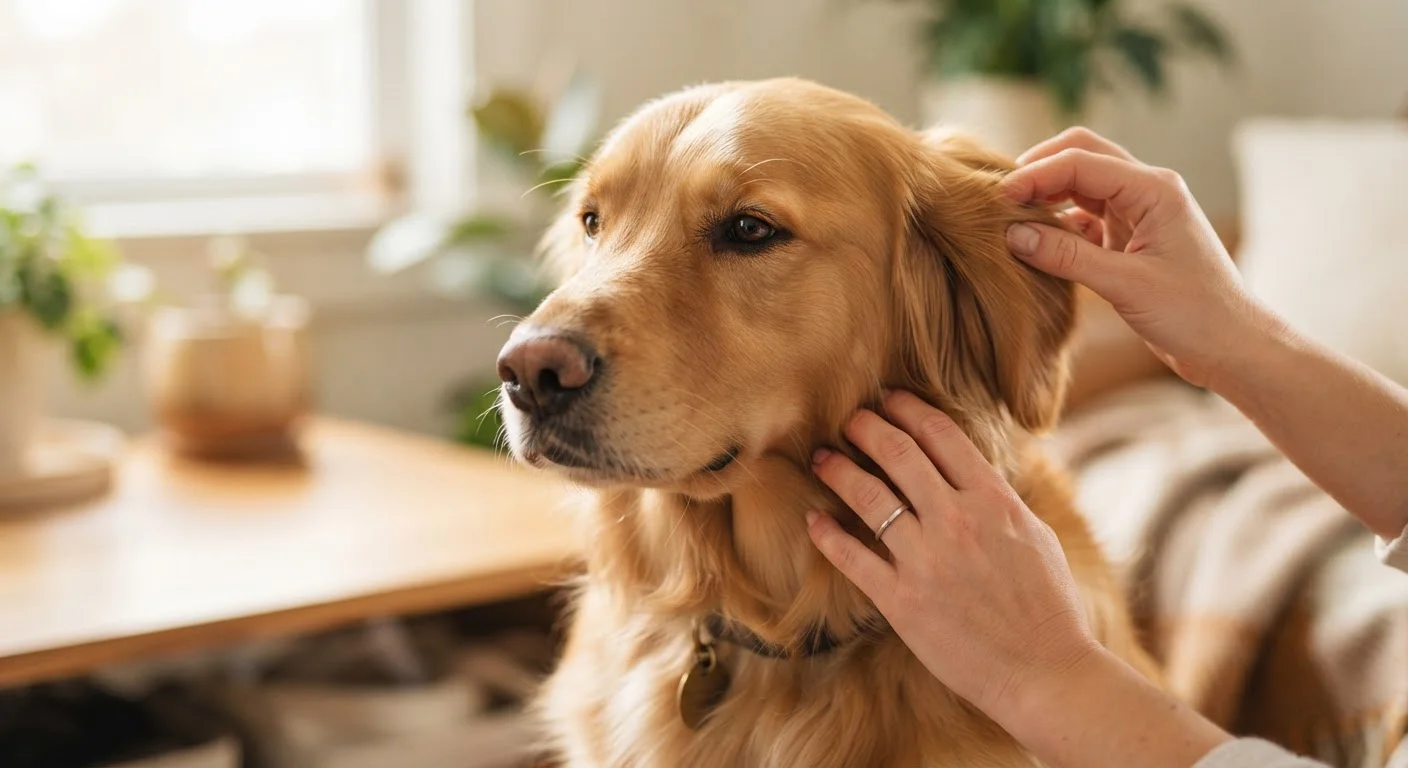
A pet's fur, hair, or feathers reflect their internal health - including nutrition, hormonal balance, parasite load, and stress levels. Changes in texture, shine, density, or pattern can be among the first outward signs that something has shifted in their body. Think of the coat as a living report card updated continuously by your pet's biology.
Veterinarians often assess coat quality as part of a baseline physical exam because conditions such as hypothyroidism, Cushing's disease, allergies, and nutritional deficiencies each produce recognizable coat changes before other symptoms appear.
Why the Coat Is Such a Useful Health Clue
Your pet can't tell you when something feels off - but their coat often can. Hair and fur grow continuously from follicles that are sensitive to shifts in nutrition, circulation, hormones, and immune function. When the body is under stress internally, the coat frequently shows it first, before an owner might notice changes in energy or appetite.
This is why many veterinarians perform a quick coat assessment during routine exams. It's not just about cleanliness - texture, shine, symmetry of shedding, and skin condition underneath the fur all carry diagnostic weight. Learning to read these signals as an owner gives you an earlier window into your pet's well-being. See our guide to easy-to-miss pain signals for other subtle cues that often go unnoticed.
Common Coat Changes and What They May Signal
Not every coat change is alarming, but each type points in a specific direction. Here's how to interpret the most common ones:
- Dull or dry fur: Often linked to diet, particularly a lack of omega fatty acids or low-quality protein. Dehydration and certain medications can also strip the coat of its natural sheen.
- Excessive or uneven shedding: Seasonal shedding is expected, but sudden heavy loss or asymmetric bald patches may suggest thyroid dysfunction, adrenal disorders, or skin infections. Dogs with Cushing's disease, for example, commonly develop symmetrical hair thinning on the trunk.
- Flaky skin or dandruff: Can indicate environmental dryness, allergies, fungal infection, or - in some cases - cheyletiellosis, a mite infestation sometimes called "walking dandruff."
- Greasy or malodorous coat: May point to seborrhea, a skin condition affecting oil production, or to ear and skin infections that spread their effect across the coat surface.
- Patchy bald spots or hot spots: These are often caused by self-trauma from itching (due to fleas, environmental allergens, or food allergies) or by ringworm, a fungal infection despite its misleading name.
~10%
Of dogs affected by food allergies
Veterinary dermatology literature estimates food allergy accounts for roughly 10% of all allergic skin disease in dogs, often presenting with coat and skin changes.
1 in 300
Dogs diagnosed with hypothyroidism
Hypothyroidism is one of the more common endocrine disorders in dogs, frequently identified after owners or vets notice coat and weight changes.
~50%
Of coat problems linked to diet or parasites
Veterinary dermatology surveys suggest that diet deficiencies and ectoparasites together account for a significant portion of coat-related complaints in companion animals.
The difference between normal and problematic grooming in cats is particularly worth understanding, as over-grooming is a common but easy-to-overlook source of coat damage.
Nutrition's Role in Coat Health
Diet is the single most controllable factor in your pet's coat quality. A coat in good condition requires adequate protein (the building block of hair follicles), omega-3 and omega-6 fatty acids (for skin barrier function and shine), zinc, biotin, and vitamins A and E. When any of these fall short, the coat becomes a visible casualty.
This doesn't automatically mean supplements are the answer. Unnecessary or excessive supplementation carries its own risks. The better starting point is ensuring your pet's food meets nutritional standards established by bodies like AAFCO (the Association of American Feed Control Officials). Our article on understanding pet food labels can help you evaluate what's actually in your pet's bowl. If you suspect a deficiency, a veterinarian can assess bloodwork and recommend appropriate dietary adjustments rather than guesswork.
Parasites, Allergies, and Hormonal Causes
Three categories account for a large share of coat problems in dogs and cats: parasites, allergies, and hormonal imbalances.
Parasites - including fleas, mites, and lice - cause intense itching that leads pets to scratch, bite, and chew at their own fur. Even if you never spot a flea directly, flea allergy dermatitis (a reaction to flea saliva) can produce significant hair loss and skin irritation. Year-round parasite prevention is broadly recommended by veterinarians. It's worth reviewing common owner habits that veterinarians flag, including the tendency to skip prevention in winter when fleas are assumed to be dormant.
Allergies - whether to food proteins, environmental triggers like pollen, or contact irritants - often manifest in the skin and coat before other systems. Signs include recurring hot spots, paw-chewing, and patchy fur loss.
Hormonal imbalances such as hypothyroidism (low thyroid function) or hyperadrenocorticism (Cushing's disease) disrupt the hair growth cycle and are confirmed through blood tests, not coat observation alone.
Grooming Habits and When to Call the Vet
Regular grooming isn't just cosmetic - it's a health practice that gives you direct contact with your pet's skin and coat. Brushing removes loose fur, distributes natural oils, and lets you notice lumps, sores, or unusual texture early. It also creates a behavioral baseline: knowing what your pet's normal grooming behavior looks like makes changes easier to spot.
Pairing coat awareness with broader body language literacy can help you catch problems earlier. Our field guide to pet body language is a useful companion resource for this kind of whole-animal observation.
Contact a veterinarian if you observe:
- Bald patches that appear or grow quickly
- Skin that is red, crusted, oozing, or has an unusual odor
- Coat changes combined with shifts in appetite, weight, or energy
- Persistent scratching or licking that doesn't resolve
This article is for general educational purposes and is not a substitute for professional veterinary advice. Always consult a licensed veterinarian for diagnosis and treatment of your pet's health concerns.