

Key Takeaways
The Crowd Is Not Just Noise - It's the Experience
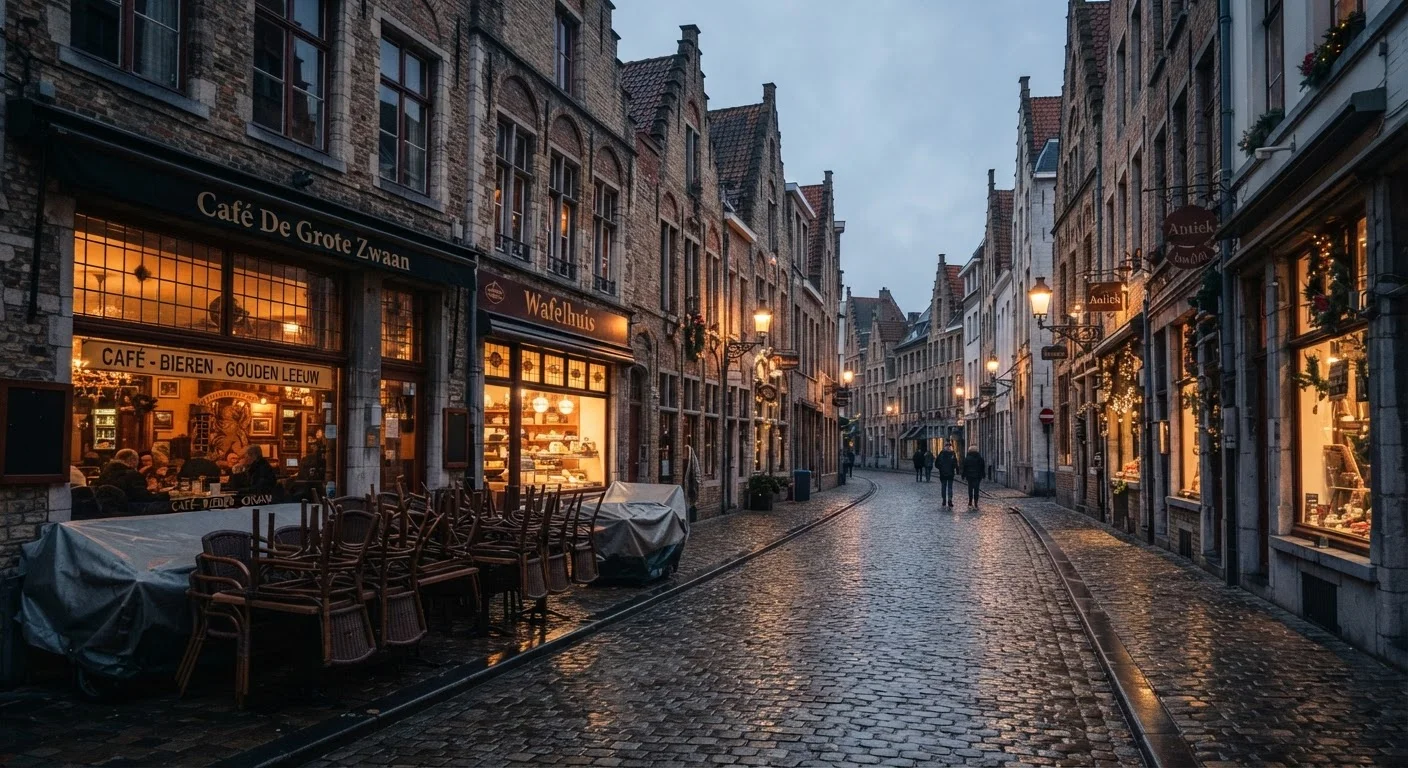
Most travel advice frames the off-season as a cost play: cheaper flights, easier bookings, shorter queues. That framing isn't wrong, but it undersells what actually happens to a place when the tourist volume drops. The character of a destination shifts. Rhythms slow. Locals reappear in spaces that were, just weeks earlier, entirely occupied by visitors.
Consider a beachside town in the US Gulf Coast in January versus July. The same streets, the same restaurants - but the July version is performative, optimized for turnover. The January version lets you watch pelicans, talk to the restaurant owner about local fishing, and feel the actual texture of the place. That's a fundamentally different trip, not merely a cheaper version of the same one.
For a deeper look at how these seasonal contrasts play out across logistics and experience, see our peak vs. off-season comparison.
How to Actually Read a Destination's Off-Season
Not all low seasons are created equal, and reading them correctly is a skill worth developing before you book. Here are the practices that separate a well-planned off-season trip from a disappointment.
For a more focused breakdown on timing your visit strategically, our shoulder season planning guide walks through how to identify the sweet spot for different destination types.
Quick Actions to Take Before You Commit
If you're actively considering an off-season trip, these moves will save you from the most common pitfalls:
It's also worth reading up on what overtourism actually does to a destination - because going off-season is one of the most effective ways to sidestep it. And if your off-season plans involve slower, more immersive stays, this comparison of city breaks vs. slow travel can help you match your style to the moment.
When the Off-Season Is Actually the Right Season
There are destinations where the off-season isn't a compromise - it's the point. Iceland's shoulder months of September and October bring the aurora borealis, dramatic storm light, and highland roads before winter closures, without the midnight-sun crowds of summer. Our month-by-month Iceland guide breaks down exactly what you'll find in each window.
Similarly, Morocco's medinas in late November feel entirely different from their spring peak - narrower alleys feel navigable, souks less performative, and the light in the afternoons turns gold in ways that justify the cooler evenings. See the realities of traveling in Morocco for an honest picture of what that shift means on the ground.
Closer to home, US state parks hit their stride once summer families clear out. Lesser-known state parks in particular offer remarkable access in fall and early spring - trails to yourself, campsites without reservations months in advance, and wildlife that moves more freely. The American Southwest is another region that dramatically rewards a low-season visit, when the desert light is softer and the canyon trails aren't gridlocked.
The underlying principle: doing your homework on what specifically changes at your destination - not just assuming quieter means better - is what turns off-season travel from a budget hack into a genuine upgrade. Our guide on researching a destination before you go offers a solid framework for building that picture without getting lost in curated highlight reels.